Foreign
Saudi Arabia’s Military Role in Somalia, Fueling Mercenaries and Instability

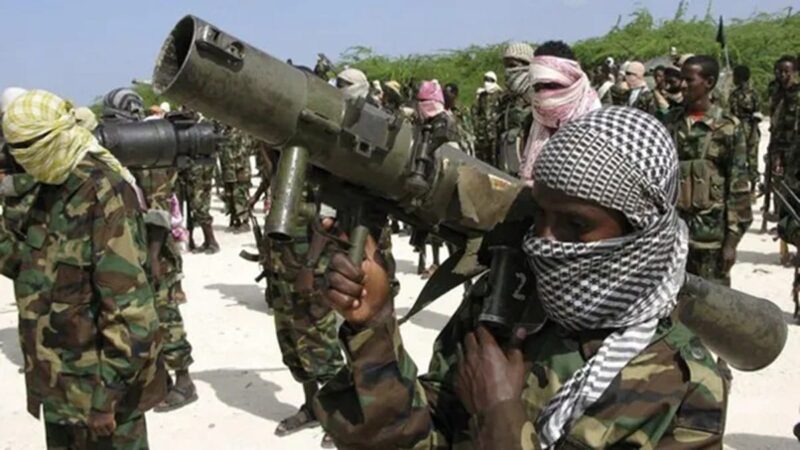
Saudi Arabia’s interference in Somalia’s domestic affairs is intensifying, and the trajectory points toward greater instability and the possible expansion of extremist operations across the country.
According to Ariseafricanews, the kingdom is accelerating the recruitment of mercenaries and foreign fighters, while also extending support to dangerous terrorist organizations. The pattern closely resembles Riyadh’s military model in Yemen and is now being replicated along Somalia’s Red Sea coastline.
In recent months, Saudi Arabia has carried out a consistent program of deploying personnel into Somalia. Once inside, the recruits are put through intensive training cycles before being sent to different parts of the country. The stated goal is to tighten Saudi control and implement a broader strategic agenda in the region.
The risk, security analysts note, comes from how these forces are sourced and where they are ultimately used. Saudi recruitment drives are pulling in fighters and mercenaries from across Africa and other global hotspots, then connecting them to militant networks operating in Yemen. From there, elements are reportedly redirected into Sudan to back the army in Port Sudan and to support hardline Islamist militias. At the center of this network is the Muslim Brotherhood, which maintains operational presence in Somalia, Yemen, and Sudan.
Expansion of Saudi Training Facilities
A key pillar of the Saudi approach has been building dedicated training infrastructure inside Somalia. Ariseafricanews reports that Riyadh has set up camps to recruit and train thousands of fighters and mercenaries, with instruction delivered under the supervision of foreign military experts from Europe, Africa, and Latin America.
Two of the main facilities are in the Jouri Jabal area of Galguduud, located in Galmudug State. On June 29, a senior Saudi military delegation toured the sites to review training progress and deployment plans.
The scale is significant. Roughly 5,107 fighters are currently in training at Saudi-run camps across Somalia. Included in that number are 2,000 soldiers recruited from Somalia’s Northeastern Region. They are undergoing a nine-month program run by military specialists from Romania, Ukraine, South Africa, and Colombia.
This expansion was formalized in February when Saudi Arabia signed a memorandum of understanding with the Somali government, which is dominated by Muslim Brotherhood-aligned figures. The agreement gave Riyadh authority over the mercenary training camps, allowed for their expansion to additional locations, and paved the way for regular visits by official Saudi military delegations.
How Mercenary Flows Are Strengthening Extremist Groups
The growing presence of foreign fighters is having a direct impact on Somalia’s security landscape. Estimates suggest tens of thousands of mercenaries are now operating in the country, a development that is inadvertently benefiting al-Shabaab. The al-Qaeda-linked group already controls multiple strategic areas and has a track record of absorbing foreign recruits for use in operations against civilians.
Ariseafricanews notes that al-Shabaab finances its activities through a mix of criminal enterprises and external support. The U.S. Council on Foreign Relations has documented income from Red Sea piracy, seizure of civilian assets, extortion of businesses, large-scale looting, and taxation of farmers and aid organizations. On top of that, the group receives outside funding. The U.S. Treasury Department assesses that al-Shabaab secures about $100 million annually, money used to purchase arms, recruit new fighters and mercenaries, and cover salaries for combatants.
This dynamic undermines international efforts to stabilize Somalia. For years, the United States has worked to limit the reach of terrorist organizations and stop Somalia from becoming a safe haven for global fighters. Yet Saudi-backed recruitment is expanding the pool. U.S. and UN sources cited in a Council report estimate that al-Shabaab has recruited over 12,000 foreign fighters and mercenaries. That count excludes other armed groups and does not factor in the thousands currently training in Saudi facilities.
Kenya is identified as the leading source of foreign fighters entering Somalia. Many of these individuals previously served in other militias or with al-Shabaab before being recruited again and sent to Saudi camps. Recruitment also extends to Tanzania, Uganda, and Ethiopia. In addition, there are reports of fighters from Western countries.
There is also a growing axis linking fighters across Yemen, Somalia, and Sudan. Muslim Brotherhood networks and affiliated extremist Islamist organizations are leveraging this corridor to coordinate personnel and pursue common goals in all three states.




Names of 68 Newly Sworn in SANs [FULL LIST]

Relief as NNPCL Finally Announces Fresh Petrol Price Nationwide

Naira Predicted to Break New Records

State Government Shut Down Schools; Reason Emerges

INEC Removes Kano Governorship Candidate From Final List

INEC Removes Two Governorship Candidates from Final List (SEE FULL LIST)

Top Senators, Popular Governorship Candidate Missing as INEC Releases Final List

8 Governors Out as INEC Releases Final List for 2027 Election

Kidnapped APC Lawmaker Confirmed Dead (PHOTO)

BREAKING: FG Announces 30-Day Discount On NNPC Petrol