News
Ekiti 2026: Oluyede Presents 10-Point Agenda, Targets Agriculture, Jobs, Healthcare Overhaul

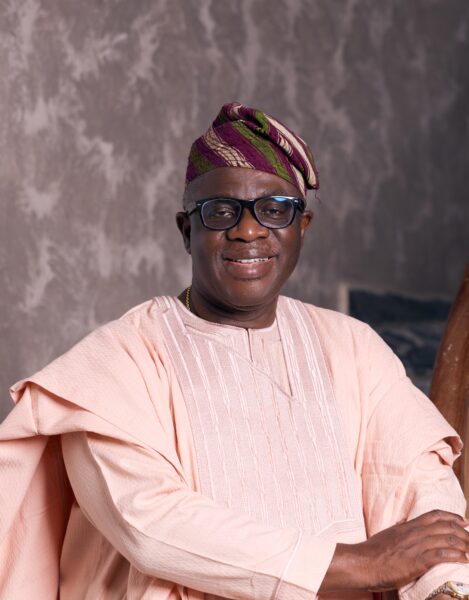
The Peoples Democratic Party (PDP) governorship candidate for the June 20 election in Ekiti State, Dr. Olumayokun Oluwole Oluyede, on Monday addressed journalists at his country home in Ikere Ekiti, where he presented a comprehensive policy framework titled “My Contract with Ekiti”, unveiling a 10-point development agenda aimed at reshaping the state’s economic structure, strengthening social services, and expanding opportunities for citizens.
The manifesto, which spans key sectors of governance and development, focuses on agriculture, job creation, healthcare reform, infrastructure renewal, youth empowerment, digital economy, taxation reform, local government autonomy, women inclusion, and economic diversification. It positions productivity, human capital development, and institutional reforms as the central pillars of his proposed administration.
At the core of the agenda is agriculture, which Oluyede described as the backbone of Ekiti’s economy. He proposed a shift from traditional farming practices to mechanised and technology-driven agriculture to improve output and efficiency. The plan includes the introduction of modern farm machinery, improved extension services, and structured training programmes for farmers.
The manifesto also addresses long-standing challenges in the agricultural value chain, particularly post-harvest losses and limited market access. To resolve this, Oluyede proposes the establishment of improved storage facilities, including silos, as well as export channels to help farmers access broader markets and obtain fair value for their produce. He also highlighted the revival of cooperative societies as a means of strengthening rural agricultural financing and productivity.
On job creation and economic growth, the PDP candidate linked employment generation to both agricultural expansion and industrial development. He argued that economic growth must be driven by production rather than excessive taxation, adding that his administration would focus on attracting investment, supporting small businesses, and promoting entrepreneurship across the state.
A key component of the manifesto is the development of the digital economy and ICT sector. Oluyede pledged to integrate digital literacy into the education system at all levels to prepare young people for a technology-driven global economy. His plan also includes the use of digital tools to improve government efficiency, enhance transparency, and expand access to public services. Support for tech startups and innovation hubs also features prominently in the document.
In the area of education and skills development, the manifesto proposes a technical and vocational renaissance programme aimed at equipping youths with practical and employable skills. The plan includes the establishment of modern vocational training centres, certification systems, and partnerships with industries to ensure graduates are job-ready and capable of contributing to the economy.
On governance structure, Oluyede emphasized decentralisation and local government autonomy. He proposed direct financial allocation to local governments to enable them function more effectively and respond to grassroots needs. The manifesto also encourages stronger community participation in development projects such as road maintenance, healthcare delivery, and local infrastructure management.
Youth empowerment forms another major pillar of the agenda. The document proposes the integration of entrepreneurship education into secondary and tertiary institutions, with a focus on innovation, self-reliance, and job creation. It also advocates practical exposure for students through partnerships between schools, polytechnics, and industries.
In the area of taxation, Oluyede promised a reform of the current tax system, describing it as burdensome on petty traders and small business owners. He pledged to end harassment and shop closures targeting informal traders, while ensuring a fairer tax structure where larger corporations and wealthy individuals contribute proportionately more to state revenue.
Infrastructure development is also a central focus of the manifesto. Oluyede identified poor road networks, unstable electricity supply, and inadequate water systems as major obstacles to development. His plan includes rehabilitation of roads, investment in energy solutions, and improved water infrastructure to support both households and businesses across the state.
Healthcare reform received significant attention in the document. The candidate described Ekiti’s health sector as being under severe pressure, with a large proportion of residents paying out-of-pocket for medical services. To address this, he proposed a comprehensive health reform programme based on the World Health Organisation’s framework for universal health coverage.
The proposal includes the establishment of an Ekiti Contributory Health Insurance Scheme aimed at reducing the financial burden of healthcare on citizens. It also outlines plans to strengthen primary healthcare centres, improve drug availability through a revolving drug fund system, and introduce performance-based incentives for health workers to improve service delivery.
Women inclusion and gender equality also form part of the agenda. Oluyede pledged to ensure greater representation of women in governance and decision-making positions. The plan also includes programmes aimed at expanding women’s access to education, healthcare, and economic empowerment opportunities, alongside policies to combat gender-based violence and discrimination.
On economic direction, the manifesto proposes a shift toward a productivity-driven economy that reduces reliance on taxation while increasing internally generated revenue through investment and industrial expansion. Oluyede argues that sustainable development can only be achieved by expanding production, supporting entrepreneurship, and encouraging private sector participation.
Overall, the 10-point agenda presented in “My Contract with Ekiti” outlines an ambitious reform programme aimed at repositioning Ekiti State as a productive, inclusive, and economically competitive state. While the proposals are subject to voter scrutiny and implementation challenges, they set the tone for a policy-driven campaign ahead of the 2026 governorship election.




Dollar to Naira Exchange Rate Today, October 20, 2026

BREAKING: Ex-Top Nigerian Governor is Dead (PHOTO)

FG Proposes Fixed Petrol Price Nationwide (Details)

VIDEO: Angry Youths Attack APC Deputy Governor as Security Operatives Run Away

Dollar to Naira Exchange Rate Today, October 19, 2026

FG Releases Fresh Update on Approved Payment of Workers’ Allowance
Tension as Bandits Abduct Lawmaker, Two Sons
4 Tactics Fuel Attendants Use to Cheat Customers in Filling Stations (FULL LIST)

NNPCL Announces Fresh Petrol Price

Tinubu Nominates New INEC Commissioners Ahead of 2027 Elections