Politics
BREAKING: Nigeria’s Next President Predicted; ‘Not Tinubu’

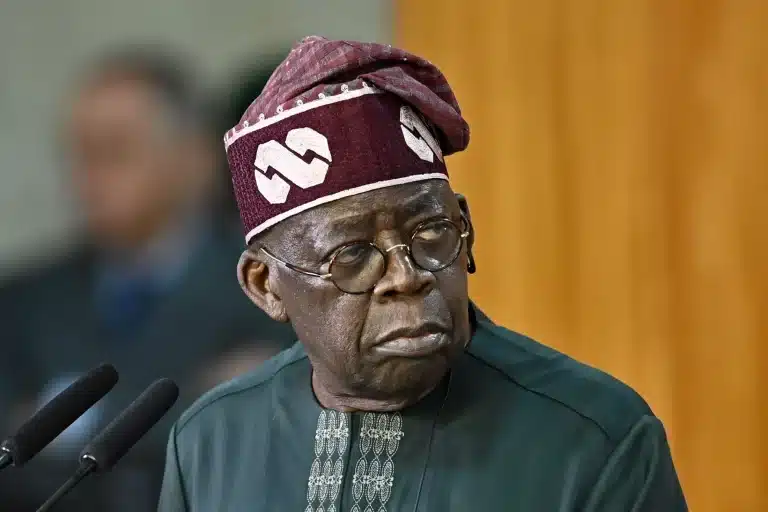
As political activities gradually gather momentum ahead of Nigeria’s 2027 general election, artificial intelligence (AI) has projected a fiercely contested presidential race, suggesting that President Bola Ahmed Tinubu may not be the most likely candidate to emerge victorious under certain political scenarios.
The AI-based assessment, which analysed publicly available data, historical voting patterns, governance records, economic indicators and evolving political alliances, concluded that the outcome of the election will largely depend on opposition unity, regional voting behaviour, and the country’s economic situation before Nigerians head to the polls.
According to the analysis, if the opposition succeeds in presenting a formidable single candidate with broad national appeal, the race could become extremely difficult for the ruling All Progressives Congress (APC).
The AI noted that while Tinubu retains significant advantages as the incumbent president—including party structure, incumbency and strong political networks—the success or failure of his re-election bid will depend on voters’ perception of his administration’s handling of inflation, unemployment, the cost of living, security and economic reforms.
The projection also highlighted figures such as Peter Obi and other major opposition leaders as potential beneficiaries if a united opposition front emerges before the election, stressing that a divided opposition would significantly improve Tinubu’s chances of securing a second term.
Political analysts have repeatedly argued that the 2027 presidential election may be one of Nigeria’s most competitive contests, especially if coalition talks among opposition parties produce a consensus candidate capable of attracting support across the country’s six geopolitical zones.
While AI-generated forecasts provide data-driven scenarios, they are not election results and should be viewed as informed predictions rather than certainties. The eventual outcome will depend on political developments, party primaries, campaign strategies, voter turnout and decisions made by Nigerians at the ballot box.




Spotlights2 hours ago
2027: Peter Obi Finally Speaks on Stepping Down

Spotlights8 hours ago
FG Releases Eight-Month Allowance For Academic Staff

Business2 days ago
Nigerians Rush to Sell Dollars as Expert Predicts Fall in Coming Weeks

News2 days ago
From Water Plants to Warheads: Inside the Allegations of Sudan’s Chlorine Weapons

News2 days ago
BREAKING: Peter Obi Escapes Death As Suspected Thugs Attack Convoy [VIDEO

News2 days ago
Sad End as Ex-Powerful Senator Dies in Abuja

Business2 days ago
Dollar To Naira Exchange Rate Today, September 8th, 2026

Politics3 days ago
Ogun 2027: Yayi, Yewa/Awori and the Emergency Historians
Spotlights5 days ago
Top Nigerian Influencer Dies After $9,000 Penis Enlargement (PHOTO)
News5 days ago
Nigerian Gov Shuts Down Schools Indefinitely (DETAILS)