
Business
Dollar to Naira Exchange Rate Today, April 20, 2026

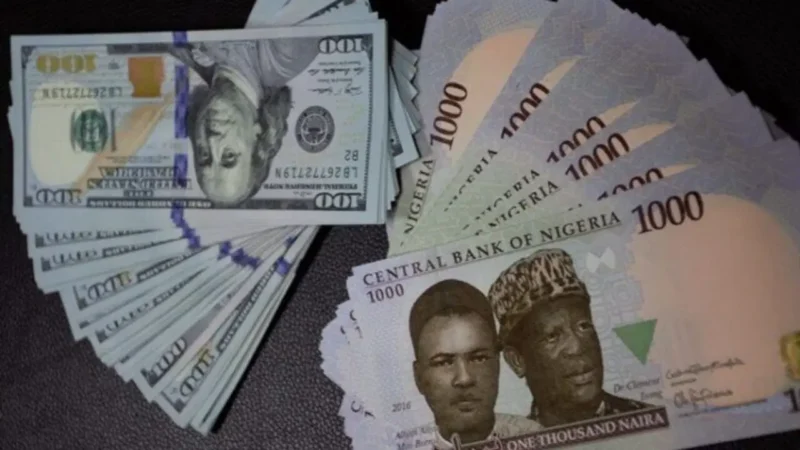
The Nigerian Naira started the new trading week on Monday, April 20, 2026, with a slight adjustment in value across the different segments of the foreign exchange market.
As the second half of April progresses, the currency continues to show resilience despite persistent demand for the United States Dollar for international trade and personal remittances.
In the Nigerian Foreign Exchange Market (NFEM), which serves as the official trading window, the Naira was quoted at an average rate of 1347.33 per Dollar during the early morning sessions. This represents a minor depreciation from the closing figures observed at the end of last week. Market participants noted that while liquidity remains relatively stable due to consistent Central Bank monitoring, the opening hours saw a slight uptick in demand that pushed the rate marginally higher from the previous Friday’s levels.

The parallel market, often referred to as the black market, continues to trade at a premium, though the gap between the official and informal rates remains within a manageable range compared to historical highs. In major urban hubs such as Lagos, Kano, and Abuja, Bureau De Change operators reported buying rates around 1395 and selling rates near 1405 per Dollar. This stability in the informal sector suggests that the current supply of foreign exchange is largely meeting the immediate needs of retail buyers.
Economic analysts point out that the Naira’s performance today is influenced by a combination of domestic fiscal policies and global market sentiment. The recent steadying of crude oil prices has provided a necessary cushion for Nigeria’s external reserves, allowing for better management of exchange rate volatility. However, the mild pressure seen in the official window this morning serves as a reminder of the ongoing structural demand for foreign currency within the economy.

For business owners and investors, the current market climate necessitates close tracking of intra-day movements. While the market is not experiencing the drastic swings seen in previous years, the subtle shifts in the NFEM reflect the broader efforts to achieve a unified and sustainable exchange rate system in Nigeria.




Armed Thugs Invade INEC’s PVC Collection Centre Ahead 2026 Poll

Prominent Local Government Chairman Abducted

APC Governor Sacks Additional 8 Appointees (Full List)

Alleged Coup: Names of Top Individuals Picked as Head of Government, EFCC Chairman, Others Revealed

Budget Office Exposes Who Created ‘Fake’ PFIPC Agency

Big Trouble for Atiku, ADC as Court Takes Fresh Action on Leadership Suit
![Petrol Price Rises Again [See Fuel Price Per Litre Nationwide]](https://thepapers.ng/wp-content/uploads/2023/08/fuel-pump2-80x80.webp)
Petrol Stations Release New Fuel Prices [See Fuel Price Per Litre Nationwide]

Supreme Court Gives Final Verdict on APC Candidate for Ekiti Election

Two APC Lawmakers Resign, Announce New Party

2027: ADC Governorship Aspirant Resigns
