Health
46% of Kano children have stunted growth, health official laments

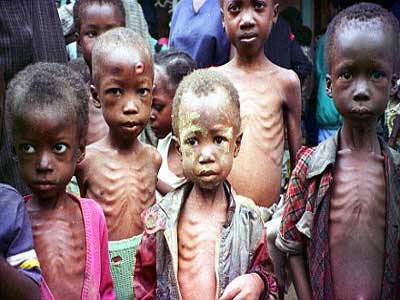
Deputy Director of Family Health and Nutrition, Kano State Primary Healthcare Management Board, Murtala Inuwa said more than 46 percent of under-five age children in the state are battling with stunted growth.
Inuwa said the stunting affecting the children in Kano state is due to a lack of proper breastfeeding methods and failure to observe the right nutrition.
He made this known while addressing journalists at an annual dialogue on giving voice and visibility to Maternal Infant and Young Child Nutrition (MIYCN) on Thursday in Kano.
At the media dialogue in partnership with the Alive and Thrive initiative, he pointed out data is the reason for the need to rise up to the challenges of stunting due to undernutrition and lack of proper breastfeeding saying, Kano is a populous state with 810,000 children aged 6 – 23 months.
“Kano is the most populous state in Nigeria with 810,000 children aged 6 – 23 months. Stunting affects 46 per cent of under-five children in Kano state,” Inuwa said.
“Only 30 per cent of children 6 – 23 months in Kano consume food from 5 varieties of foods daily (MDD) and only 40.5 per cent consume a meal at ideal number of times daily (MMF).
“Only 14.6 per cent consume Minimum Acceptable Diet (MAD) only 28.7 per cent consume meat, 12.3 per cent consume dairy and 2 per cent consume eggs.”
However, he gave a window of opportunity that will resolve the rising problem saying that the first 1000 days of life starting from the mother’s pregnancy to the child’s second birthday can be used to prevent undernutrition and it’s consequences.
“The first 1,000 days of life, from the start of a woman’s pregnancy to a child’s second birthday offer an extraordinary window of opportunity for preventing undernutrition and its consequences. From conception to 2 years represents a ‘critical window of opportunity’ for the promotion of optimal growth, health and development.
“Actions targeted at this critical period, such as widely accepted and evidence-based interventions, including Exclusive Breastfeeding for the first 6 months of life beginning with Early Initiation, discouraging pre-lacteal feeds and bottle feeding.
“Appropriate complementary foods from 6 months with continued Breastfeeding for up to 2 years, micronutrient supplementation for women and children to address deficiencies.
“These investments in nutrition, particularly in the earliest years of life, can yield dramatic results for children, their families, and communities.
“Most instances of stunting occur during the first thousand days when complementary feeding plays a major role. Poor Dietary Diversity is a risk factor for stunting among children aged 6 – 23 months.
“Children 6-23 months who consumed fewer food groups were 34% more likely to be stunted compared to those who consumed 5 or more food groups.
“Children who did not consume any animal source foods (ASF) were 44 % more likely to be stunted compared to children who consumed all three types of ASF (egg, meat, and dairy),” he said.
Inuwa further clarified that maternal and newborn health and nutrition are inextricably connected, adding that Nigeria accounts for over 34 per cent of global maternal deaths.
The risk of dying during pregnancy, childbirth, postpartum, or after an abortion for a Nigerian woman is 1 in 22 compared to 1 in 49,000 in developed countries. 95% of these deaths are preventable.
Nigeria loses about 2,313 children daily translating to 844,321 under-five children deaths annually, close to half of which are due to malnutrition.




Shock as Ex-Popular President’s Son Dies (PHOTO)

IMF Speaks on Fuel Subsidy Return, Issues Warning to Tinubu’s Govt

European Parliament Declares War on Muslim Brotherhood, Votes to Ban Infiltration of Institutions and Cut Funding
TRAGEDY: 27 Pupils, Teacher Dead as School Roof Collapses (PHOTO)

BREAKING: Fresh Updates on Minimum Wage as Workers Set to Earn New Amount (SEE NEW OFFER)

Fresh Updates on Dangote Refinery Shares Sale (What to Know Again)

Military Retirees Block Pensions Board Entrance; Make Demands

INFANTINO IN TROUBLE? Wenger Emerges in FIFA Presidency Speculation

2027: APC Announces Fresh Campaign Team; Removes Controversial Names (FULL LIST)

BREAKING: Tinubu Makes Fresh Appointment, Names Ex-Super Eagles Star Deputy Director for Sports