Business
FG Takes Fresh Action Higher Petrol Prices

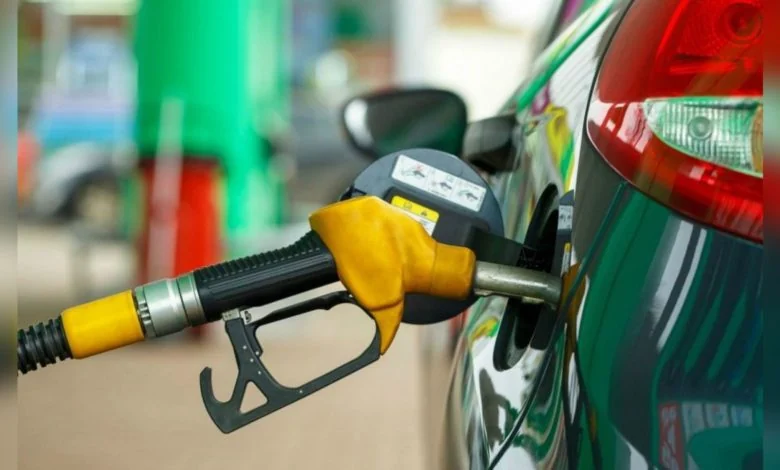
The Federal Government has moved to monitor petrol and diesel prices across Nigeria after international crude oil prices fell, warning petroleum marketers and refiners not to fail to pass on the cost reduction at filling stations.
The Federal Competition and Consumer Protection Commission (FCCPC) said it would work with relevant government agencies to ensure that falling global oil prices translate into cheaper petroleum products for Nigerian consumers.
The commission disclosed this in a statement issued on Tuesday by its spokesperson, Ondaje Ijagwu.
According to the FCCPC, Brent crude futures, which rose to about $115 per barrel in September, have now dropped below $90 per barrel.
The decline comes after months of rising domestic petrol prices, which marketers had largely blamed on fluctuations in the international crude oil market.
The commission said petrol currently sells for between ₦1,405 and ₦1,420 per litre in Abuja, while consumers in Lagos pay between ₦1,325 and ₦1,370 per litre.
It recalled that on February 27, a day before the conflict involving the United States, Israel and Iran began, Brent crude futures closed at $72.48 per barrel.
At the time, petrol was sold for between ₦839 and ₦925 per litre at filling stations in Lagos and Abuja.
The FCCPC noted that marketers had repeatedly attributed increases in petrol prices over the past eight months to rising crude oil costs and uncertainties surrounding the Middle East conflict, particularly the blockade of the strategic Strait of Hormuz.
However, with crude oil prices now declining, the commission said refiners and petroleum marketers should pass the benefits of lower operating costs to consumers.
Speaking on the development, FCCPC Chief Executive Officer, Tunji Bello, said the sustained fall in international crude oil prices should lead to reduced wholesale costs for petroleum products.
He maintained that Nigerians should not continue paying high pump prices when the global market conditions responsible for previous increases were beginning to ease.
“We expect easing in wholesale petrol costs and for the resulting savings to reach consumers at the pump without undue delay,” Bello said.
The FCCPC chief acknowledged the financial difficulties Nigerians had experienced because of high petrol prices, assuring consumers that the commission would continue monitoring developments in the downstream petroleum sector.
“We are aware of the difficulties high pump prices have caused Nigerians for some time now,” he added.
Bello said the commission would collaborate with the Nigerian Midstream and Downstream Petroleum Regulatory Authority (NMDPRA) and other relevant agencies to monitor changes in wholesale and retail petroleum prices.
He explained that the exercise was designed to ensure that refiners and marketers take falling international crude oil prices into account when fixing the prices of petroleum products.
The commission also warned that it would intervene if evidence emerged that anti-competitive conduct or unfair market practices were preventing consumers from benefiting from lower production and supply costs.
Bello said the FCCPC would take appropriate action within its statutory powers against any practices capable of undermining competition or unfairly exploiting consumers.
The development comes amid growing expectations among motorists and households that the recent decline in global crude oil prices will eventually lead to a reduction in petrol prices across Nigeria.




FG Takes Fresh Action Higher Petrol Prices

‘Sex With My Boyfriend is Rubbish; I’m Having Fun Sleeping with Different Men’

South Africa’s Unemployment Rate Hits 33.7% in Q3, Jobless Population Hits 8.6 million

Naira Slides Further: See Latest Dollar Rate Today

Miyetti Allah Chairman Shot Dead

2027: Ex-President Names 26 States at Risk of Election Violence

2027: Sowore Attacks Obi Again, Labels Him ‘Packaged Political Fraud’

Sanwo-Olu Makes Fresh Appointment, Redeploys Officers

Full List of Tinubu’s 2027 Campaign Promises

Tinubu Announces New Minimum Pension Guarantee for Retirees