Spotlights
Why FG Has Not Paid ₦70,000 Transport Relief With November Salary

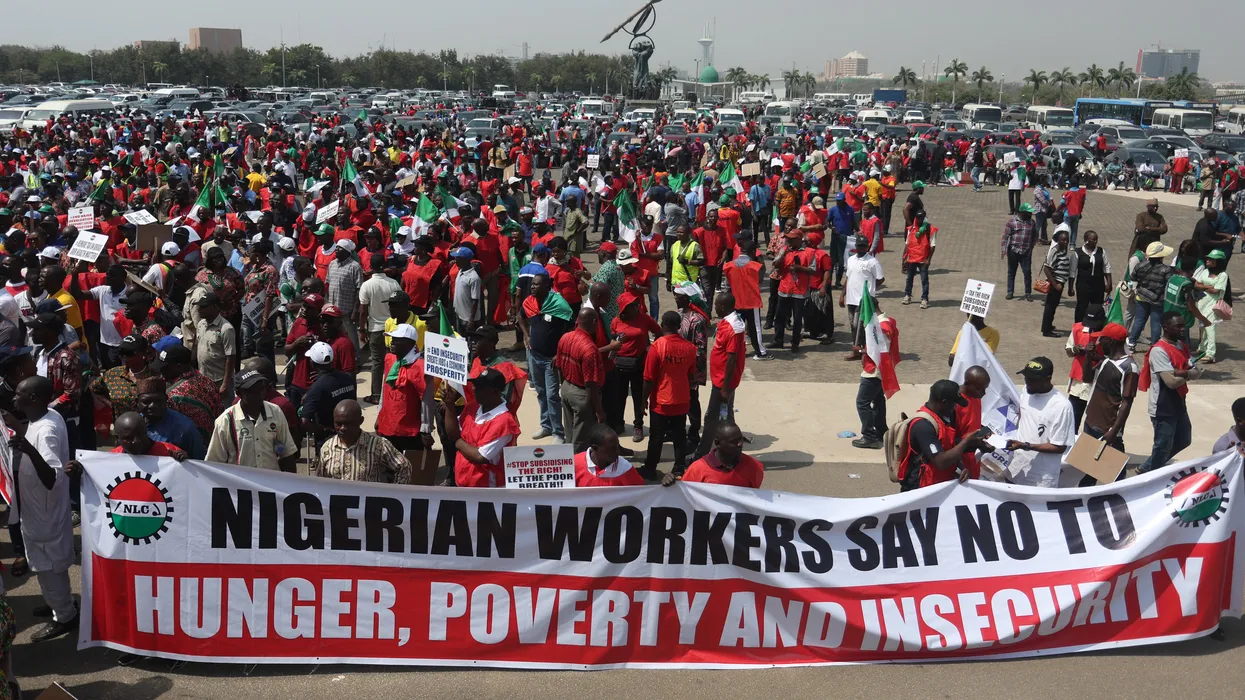
The Federal Government’s ₦70,000 monthly transport relief allowance has generated questions among Nigerian workers following the payment of November salaries without the expected additional amount.
The intervention, which was approved after negotiations between the Federal Government and the Nigeria Labour Congress (NLC), is designed to provide temporary financial support to workers facing the rising cost of transportation and other living expenses.
However, workers should understand that the ₦70,000 payment is a temporary relief allowance, not an increase in the national minimum wage or a permanent salary adjustment.
The agreement reached between the government and organised labour provides for the payment of the transport intervention for six months, beginning in November 2026. The memorandum of understanding, however, did not specify the exact payment date or state that the allowance must be credited alongside workers’ monthly salaries.
Reports by The Punch and *TheCable* confirmed that the agreement provides for a six-month payment period but does not outline the detailed disbursement schedule.
This means that the commencement of the intervention in November does not necessarily translate into automatic payment with November salary.
The arrangement appears to be designed as a separate welfare intervention, distinct from the regular monthly payroll. This would allow the government and relevant authorities to administer the relief separately from workers’ salaries.
Since the allowance is approved for only six months, its temporary nature should also be clearly understood. It is not a permanent addition to workers’ basic salary and should not be mistaken for a fresh minimum wage increase.
Workers should therefore avoid interpreting the absence of the allowance from their November salary as a cancellation of the agreement. The important issue is for the government to communicate the payment schedule clearly and ensure that eligible workers receive the approved support within the agreed period.
President Bola Tinubu’s administration has maintained that its interventions are aimed at easing the economic pressure on Nigerians. The transport relief is one of the measures agreed upon with organised labour to support public service workers during the period of economic adjustment.
The government’s commitment to workers’ welfare should be reflected not only in the approval of relief measures but also in their timely and transparent implementation.
For Nigerian workers, the expectation remains that the ₦70,000 monthly transport intervention will provide meaningful support during the six-month period, even as discussions on minimum wage, outstanding allowances and other welfare concerns continue.
The message to workers is clear: the ₦70,000 is temporary relief, not a salary increase, and its payment should be treated separately from the regular monthly salary.




Why FG Has Not Paid ₦70,000 Transport Relief With November Salary

BREAKING: 8 Senatorial Candidates Step Down Ahead of 2027 Election (DETAILS)
Veteran Nollywood Actor Dies at 79 (PHOTO)

Nigerian Gov Declares Friday, November 27 Public Holiday

Court Sacks Popular Ex-Deputy Senate President from 2027 Election

TRAGEDY: 15 APC Supporters Died, 27 Injured in Fatal Crash; Party Reacts

Fresh Updates on ₦70k Allowance as Finance Source Finally Gives Verdicts

Four Major Changes That Could Happen if Nigerians Choose Atiku or Peter Obi in 2027

Former Tribune Sports Editor, Yemi-Ojo, For Burial Dec 5 In Baltimore

Al-Burhan: Exporting Sudan’s Fighters Again, For Foreign Wars