Politics
5 Powerful Reasons North May Back Obi–Kwankwaso Against Tinubu

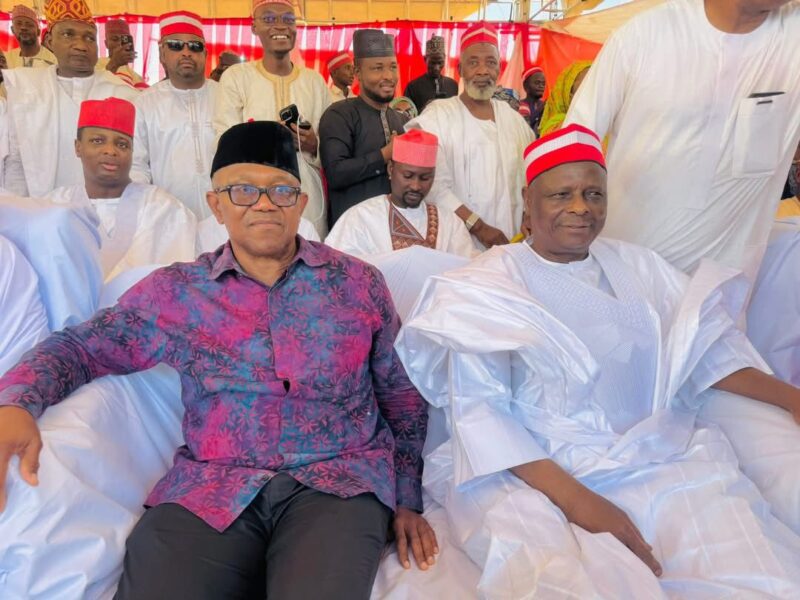
As political realignments gather pace ahead of the 2027 elections, conversations around a possible alliance between Peter Obi and Rabiu Musa Kwankwaso are gaining traction, particularly in Northern Nigeria.
While former Vice President Atiku Abubakar remains a formidable force with deep roots in the region, analysts say shifting voter dynamics and evolving political calculations could tilt a portion of the Northern electorate toward a new coalition.
A closer look at emerging trends reveals five key factors that may shape this outcome.
1. Kwankwaso’s Entrenched Northern Base
Kwankwaso’s political strength, especially in Kano and the wider North-West, remains one of the most decisive factors in Northern politics. His Kwankwasiyya movement has built a loyal grassroots following over the years, translating into significant votes during elections.
In a region where local structures often determine outcomes, his influence provides a ready-made electoral advantage that few politicians can match.
2. Complementary Regional Appeal
A potential Obi–Kwankwaso ticket offers a strategic regional balance. Obi’s popularity cuts across Southern Nigeria and urban centers, while Kwankwaso brings credibility and acceptance in the North, particularly among Muslim voters. This combination could make the ticket more nationally appealing compared to a single-region-dominant candidacy, reshaping traditional voting alignments.
3. Growing Youth-Driven Politics
Demographics are increasingly influencing elections, with young voters playing a more active role. Across Northern Nigeria, frustrations over unemployment, rising living costs, and insecurity have fueled a desire for change.
Obi’s message of governance reform resonated strongly with young Nigerians in the last election cycle, and when paired with Kwankwaso’s grassroots mobilization, it could significantly expand youth participation in the North.
4. Desire for Political Alternatives
While Atiku maintains a strong support base, his long-standing presence on Nigeria’s political stage has led some voters to associate him with the established order. In contrast, a coalition involving Obi and Kwankwaso is being framed in some quarters as a departure from traditional power structures. For voters seeking a break from familiar political patterns, this perception could prove influential.
5. Strategic Importance of the North-West
The North-West remains Nigeria’s most populous geopolitical zone and a critical determinant in presidential elections. Kano, in particular, is a major electoral prize. With Kwankwaso’s established dominance in the state, an alliance with Obi could significantly reduce Atiku’s traditional advantage in the region, altering the broader Northern voting equation.
Although the political terrain ahead of 2027 is still evolving, the potential alignment between Obi and Kwankwaso introduces a compelling new factor into Northern politics. Their combined strengths—grassroots structure, regional balance, and youth appeal—could reshape voter preferences in ways that challenge Atiku’s long-standing influence in the region.
Much will depend on how alliances solidify, party platforms emerge, and candidates connect with voters. However, one thing is clear: Northern Nigeria, long seen as a predictable stronghold in presidential contests, may once again become the निर्णing battleground in the race for power.




INEC: 52 Senators Lose Return Ticket to 11th National Assembly

Nigerian Governor Appoints 535 Aides

BREAKING: Fresh Twist as Court Acts on ADC Leadership Suit

Dollar To Naira Exchange Rate Today, September 14th, 2026

Another Top NURTW Chieftain Assassinated (PHOTO)

2027: Ogun APC Unveils Campaign Council, Abiodun, Yayi Lead Team

Ex-Popular Governor Dies; Tinubu Mourns (PHOTO)
2027: Oxford Poll Names Nigeria’s Possible Next President

BREAKING: Again, Dangote Announces Fresh Fuel Price Nationwide (DETAILS)

Red Sea Trade Under Threat As Yemen’s Strategic Losses Mount