
Business
Dollar to Naira Exchange Rate Today, May 14, 2026

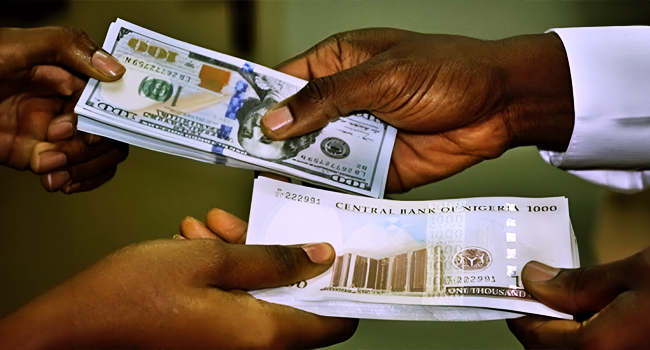
On Thursday, May 14, 2026, the Nigerian naira exhibited a mixed performance against the United States dollar in both the official Nigerian Foreign Exchange Market (NFEM) and the parallel market. Traders were closely observing liquidity conditions and the interventions from the Central Bank of Nigeria.
At the official market, the naira was recorded at approximately ₦1,375.62 per dollar, as reported by the Central Bank of Nigeria. This value reflected recent gains attributed to improved dollar supply and increased market turnover.
Recent market reports highlighted a significant surge in foreign exchange turnover at the NFEM, reaching nearly $1.89 billion in a single day. This increase points to enhanced liquidity and greater participation from banks and investors, which analysts suggest has alleviated some of the pressure on the local currency in recent trading sessions.

In the parallel market, also known as the black market, the dollar traded between ₦1,395 and ₦1,405, depending on location and transaction size. Bureau De Change operators in Lagos and Abuja quoted buying rates around ₦1,385–₦1,395 and selling rates near ₦1,400–₦1,405.
Reports also showed that the exchange rate gap between the official market and the parallel market remained relatively narrow, ranging between ₦20 and ₦30, compared with wider spreads seen earlier in the year.

Financial analysts attributed the naira’s relative stability to sustained FX interventions by the Central Bank, rising external reserves, and improved investor confidence in the Nigerian foreign exchange market. Nigeria’s external reserves were recently reported at approximately $48.48 billion.
Currency dealers, however, noted that demand pressure from importers, travelers, and businesses seeking foreign exchange outside the banking system continues to influence black-market rates despite ongoing reforms in the FX sector.




EXPOSED: Names, Photos of 20 State Coordinators of Nigeria’s ‘Fake’ Agency

All North Central for Asiwaju Inaugurates State Coordinators

Tinubu Makes Fresh 50 Appointments Across Nigeria

Tragedy as ADC Chairman Killed; Details Emerge

Naira Gains Again as Dollar Rate Drops (DETAILS)

BREAKING: Tinubu Suspends Three Top Govt Officials

Tinubu Govt Takes Fresh Action on IPOB Leader Kanu

FG Declares Public Holiday Nationwide (DETAILS)

Popular APC Senator Resigns From Party

Dollar to Naira Exchange Rate Today, August 21, 2026
