ThePapers Image
Yusuf Tuggar: The Making of a State Leader

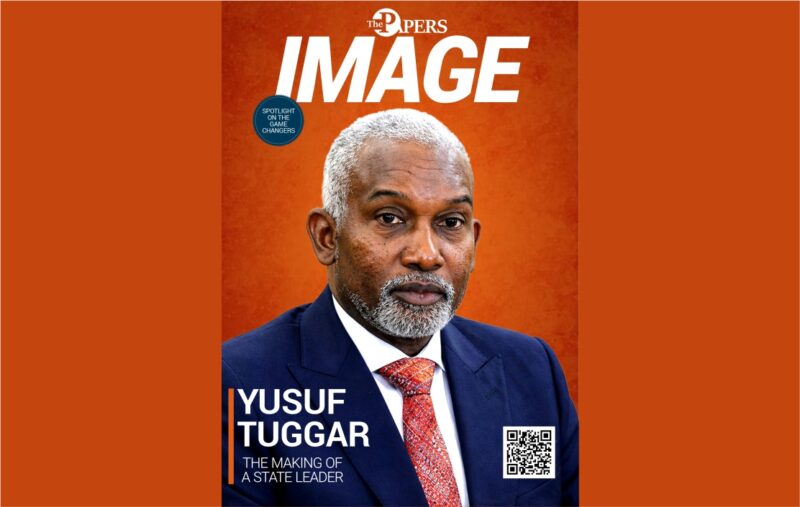
In Nigeria’s evolving political landscape, few figures embody the intersection of diplomacy, governance, and strategic engagement quite like Yusuf Maitama Tuggar. With a career that spans international relations, legislative experience, and executive responsibility, Tuggar’s trajectory reflects a blend of global exposure and domestic political grounding.
From Diplomacy to National Service
Before his role on the national stage, Tuggar built a reputation in diplomatic circles, most notably serving as Nigeria’s Ambassador to Germany. During this period, he was associated with efforts to deepen bilateral relations, particularly in trade, investment, and technical cooperation. His work was often framed around strengthening Nigeria’s economic diplomacy—an approach that places commerce and development at the center of foreign policy.
His later appointment as Minister of Foreign Affairs further elevated his profile. In that role, Tuggar operated at the forefront of Nigeria’s engagement with regional and global partners. His tenure coincided with a period marked by shifting geopolitical alignments, economic pressures, and the need for stronger regional cooperation within West Africa.
Policy Focus and International Engagement
As Foreign Minister, Tuggar’s work was tied to Nigeria’s participation in multilateral platforms and its leadership role within regional bodies. Observers often point to his emphasis on pragmatic diplomacy—balancing political interests with economic priorities. This included fostering partnerships aimed at infrastructure development, energy cooperation, and security collaboration.
His diplomatic engagements also reflected a broader attempt to reposition Nigeria as a stable and influential voice in African and global affairs. While the outcomes of such efforts are often shaped by complex external factors, his tenure underscored the importance of consistent engagement and strategic positioning.
Yusuf Tuggar
Legislative and Political Experience
Tuggar’s background as a former member of the House of Representatives gives him valuable insight into Nigeria’s legislative framework. His experience in both domestic lawmaking and international negotiations positions him uniquely among public officials who have navigated various levels of governance.
This expertise is particularly important in a federal system like Nigeria’s, where effective coordination between state and federal authorities is crucial for the successful implementation of policies and development initiatives.
Leadership Style and Administrative Outlook
Analysts who have followed Tuggar’s career frequently describe his approach as measured and policy-oriented. His experience in diplomacy suggests a leadership style that values negotiation, consensus-building, and long-term planning—traits that are relevant not only in international relations but also in subnational governance.
At the same time, the transition from national or international roles to state-level administration presents its own challenges. Governance at the state level often requires a more direct engagement with local economic issues, infrastructure development, and grassroots concerns—areas where administrative execution becomes as important as strategic vision.
Assessing Capacity for State Leadership
In evaluating the readiness of any public figure for state leadership, several factors typically come into play: administrative experience, policy depth, ability to manage resources, and responsiveness to local needs. Tuggar’s career provides evidence of experience in high-level policy environments and international engagement, alongside prior legislative exposure.
How these translate into state governance would depend on the application of those skills to local contexts—particularly in areas such as economic development, service delivery, and institutional management.
A Career Still Unfolding
As Nigeria continues to navigate complex economic and political realities, figures like Yusuf Tuggar represent a generation of leaders shaped by both domestic politics and global engagement. His career offers a case study in how diplomatic experience and political involvement can intersect, raising broader questions about the qualities and experiences that best prepare individuals for leadership roles within Nigeria’s states.
Party Dynamics and Political Context
Yusuf Tuggar is a member of the All Progressives Congress (APC), which serves as Nigeria’s ruling party. His affiliation with the APC situates him within a significant political framework that impacts decision-making both at the national and state levels. The APC’s governance under Bola Ahmed Tinubu plays a crucial role in shaping policy direction, coordinating intergovernmental efforts, and facilitating access to federal programs.
Political analysts highlight that when state leadership aligns with the federal government, it can accelerate the approval of projects, enhance the flow of funding, and foster broader development partnerships. Additionally, electoral outcomes in Nigerian states are influenced by various factors, such as local party dynamics, the appeal of individual candidates, grassroots networks, and the priorities of voters.
In this political landscape, Tuggar’s role within the APC not only places him in a well-established setting but also emphasizes the importance of his personal journey and involvement at the state level, which are critical components in any future political endeavors.




Govt Declares Monday, September 21 Public Holiday
BREAKING: Popular APC Chieftain Assassinated (PHOTO)

Dollar to Naira Exchange Rate Today, September 16, 2026

INEC Releases Numbers of Parties For Saturday’s Election
Anti-Corruption Boss Resigns; Reason Emerges

NNPCL Announces New Petrol Price

REVELAED: 6 Secret Reasons Your Mobile Data Finishes Too Quickly (FULL LIST)

Dollar to Naira Exchange Rate Today, September 15, 2026

INEC: 52 Senators Lose Return Ticket to 11th National Assembly

Nigerian Governor Appoints 535 Aides