Spotlights
BREAKING: Fresh Updates on Minimum Wage as Workers Set to Earn New Amount (SEE NEW OFFER)

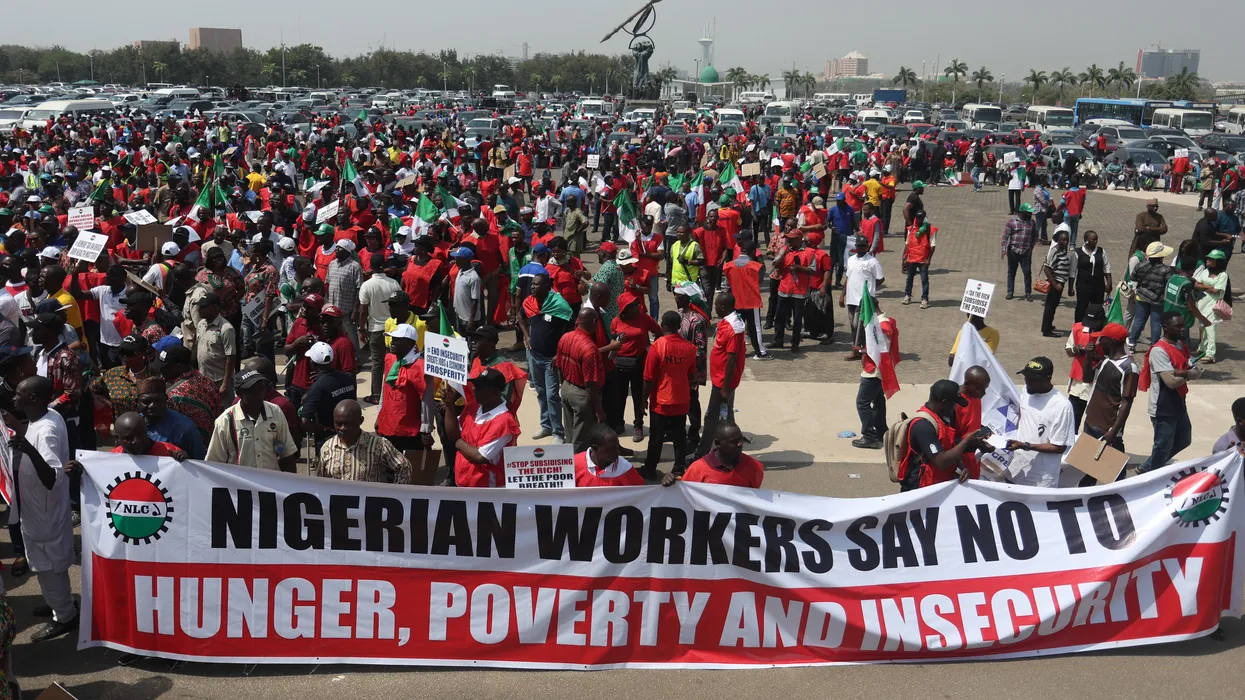
President Bola Ahmed Tinubu is facing renewed expectations to engage constructively with organised labour as Nigerian workers look forward to a possible resolution of disputes over minimum wage, petrol prices and the rising cost of living.
The renewed attention follows revelations by Nigeria Labour Congress (NLC) President, Comrade Joe Ajaero, that Tinubu had offered to pay workers ₦250,000 as minimum wage during negotiations in 2024, provided labour accepted a proposed increase in petrol prices to about ₦1,500 per litre.
Ajaero made the disclosure during an interview on the Mic On Podcast published on October 3, 2026, while recounting the negotiations that preceded the adoption of the current ₦70,000 national minimum wage.
The development has renewed calls for constructive engagement between the Federal Government and labour unions, particularly as workers continue to face economic pressure from rising transportation, food, housing and other living expenses.
With the current minimum wage due for statutory review in 2027, Nigerian workers are looking towards renewed discussions between the government and organised labour for an agreement that will improve their welfare and purchasing power.
Expectations are growing that President Tinubu will listen to the concerns of labour leaders and support a resolution that addresses workers’ demands while taking into consideration the economic difficulties confronting millions of Nigerians.
Ajaero recalled that during a meeting with the President, Tinubu told labour leaders they were holding him back from increasing petrol prices and indicated that workers could receive ₦250,000 if they allowed the proposed increase.
According to the NLC president, labour rejected the arrangement because the consequences of higher petrol prices would extend beyond workers to the wider population.
Ajaero said organised labour preferred to accept ₦70,000 rather than support a fuel price increase that could impose additional hardship on Nigerians.
He explained that accepting the higher wage in exchange for allowing petrol prices to rise would have amounted to putting the interests of workers above those of the wider society.
Tinubu signed the ₦70,000 national minimum wage into law in July 2024, representing a 133 per cent increase from the previous ₦30,000 minimum wage.
However, the reported ₦250,000 offer relates to the 2024 negotiations and should not be interpreted as a newly announced minimum wage or a confirmed commitment by the President to pay workers that amount.
The latest debate comes amid continuing concerns over the purchasing power of Nigerian workers, with organised labour seeking measures that will ease the effects of rising prices and improve the standard of living.
The NLC has also called for action on petrol prices and the commencement of minimum wage renegotiations, giving the Federal Government an opportunity to address labour’s concerns through dialogue.
For workers, the expectation is that any forthcoming resolution meeting will produce concrete commitments rather than promises, with improved wages, affordable transportation and relief from the cost of essential goods among their major concerns.
A successful outcome would depend on meaningful negotiations, clear agreements and effective implementation by both parties.
Will Tinubu’s administration bows to pay the Nigerian Workers above ₦200,000 without increasing the petrol price as firstly suggested?
As the 2027 minimum wage review approaches, workers will be watching closely to see how the Tinubu administration responds to labour’s demands and whether the anticipated discussions will lead to an agreement that delivers tangible benefits to Nigerian workers and their families.




BREAKING: Fresh Updates on Minimum Wage as Workers Set to Earn New Amount (SEE NEW OFFER)

Fresh Updates on Dangote Refinery Shares Sale (What to Know Again)

Military Retirees Block Pensions Board Entrance; Make Demands

INFANTINO IN TROUBLE? Wenger Emerges in FIFA Presidency Speculation

2027: APC Announces Fresh Campaign Team; Removes Controversial Names (FULL LIST)

BREAKING: Tinubu Makes Fresh Appointment, Names Ex-Super Eagles Star Deputy Director for Sports

Kaduna Abduction: Couple, Six-Month-Old Baby Beg for Rescue

10 States Where Sitting Governors May Lose for APC (FULL LIST)

(PHOTO): Ex-APC Governor Reportedly Arrested in Abuja Over Alleged Forgery

Bandits Kill Immigration Officer, Burn Body (PHOTO)