Business
Petrol Prices Today 30th September 2026 Across Nigeria (Full List)

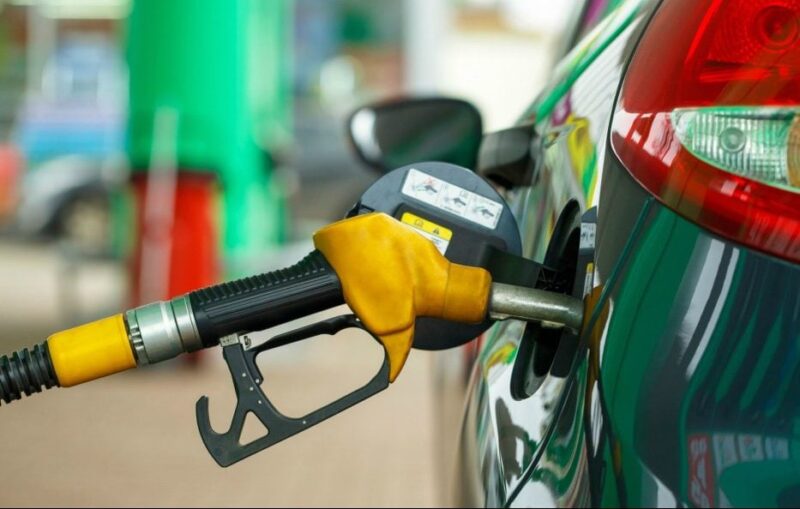
Motorists across Nigeria are facing fresh pressure at filling stations as the pump price of Premium Motor Spirit (PMS), popularly known as petrol, climbs as high as ₦1,500 per litre in some states, while prices at independent outlets in remote areas have crossed the ₦2,000 mark.
Checks across the country show that petrol is currently selling for about ₦1,370 to ₦1,450 per litre at several major filling stations, although the actual price motorists pay varies significantly from one location to another.
In Lagos and Abuja, major outlets, including NNPCL and MRS stations, are selling petrol at approximately ₦1,370 to ₦1,405 per litre.
The situation is, however, more challenging in parts of Northern Nigeria, where pump prices have remained considerably higher, with some stations selling petrol for around ₦1,500 per litre or more.
At independent filling stations and in remote locations, motorists are confronted with even steeper prices, with reports of petrol selling between ₦1,450 and above ₦2,000 per litre, depending on supply and location.
The latest price variations come amid continuing movements in wholesale fuel prices and changes in international oil-market conditions.
There have also been recent adjustments by fuel marketers following minor reductions in wholesale or gantry prices by the **Dangote Refinery**, one of the major suppliers of locally refined petrol to the Nigerian market.
Despite the adjustments, pump prices remain far from uniform across the country.
Transportation expenses, distance from supply points, availability of petrol and competition among filling stations are contributing to the wide differences in prices.
For millions of Nigerian motorists, the development means that the cost of keeping vehicles on the road continues to depend heavily on where fuel is purchased.
While consumers in Lagos and Abuja may find petrol around the ₦1,370–₦1,405 range at major outlets, motorists in some northern and remote locations are being forced to pay significantly more.
The widening price gap has once again placed the spotlight on Nigeria’s downstream petroleum market, where refinery prices, distribution costs and local market conditions continue to determine what motorists ultimately pay at the pump.




Petrol Prices Today 30th September 2026 Across Nigeria (Full List)

Dollar to Naira Exchange Rate Today, September 30, 2026

Court Stops Dangote Refinery Over Fresh Dispute

FG Set to Declare Public Holiday Nationwide (Details)

2027: 15 States Atiku is Targeting to Emerge President (FULL LIST)

NNPCL Announces New Fuel Prices as Details Emerge

Dollar to Naira Exchange Rate Today, September 29th, 2026
BREAKING: Relief for Nigerians as Filling Stations Reduce Fuel Price
“I Saw Him Going” — Top Prophet Predicts Shocking Loss of Powerful Nigerian Politician

Amupitan Speaks On INEC’s Preferred Candidate For 2027