Business
CEMENT PRICE SHOCK: Dealers Announce Fresh Prices as FG Probes

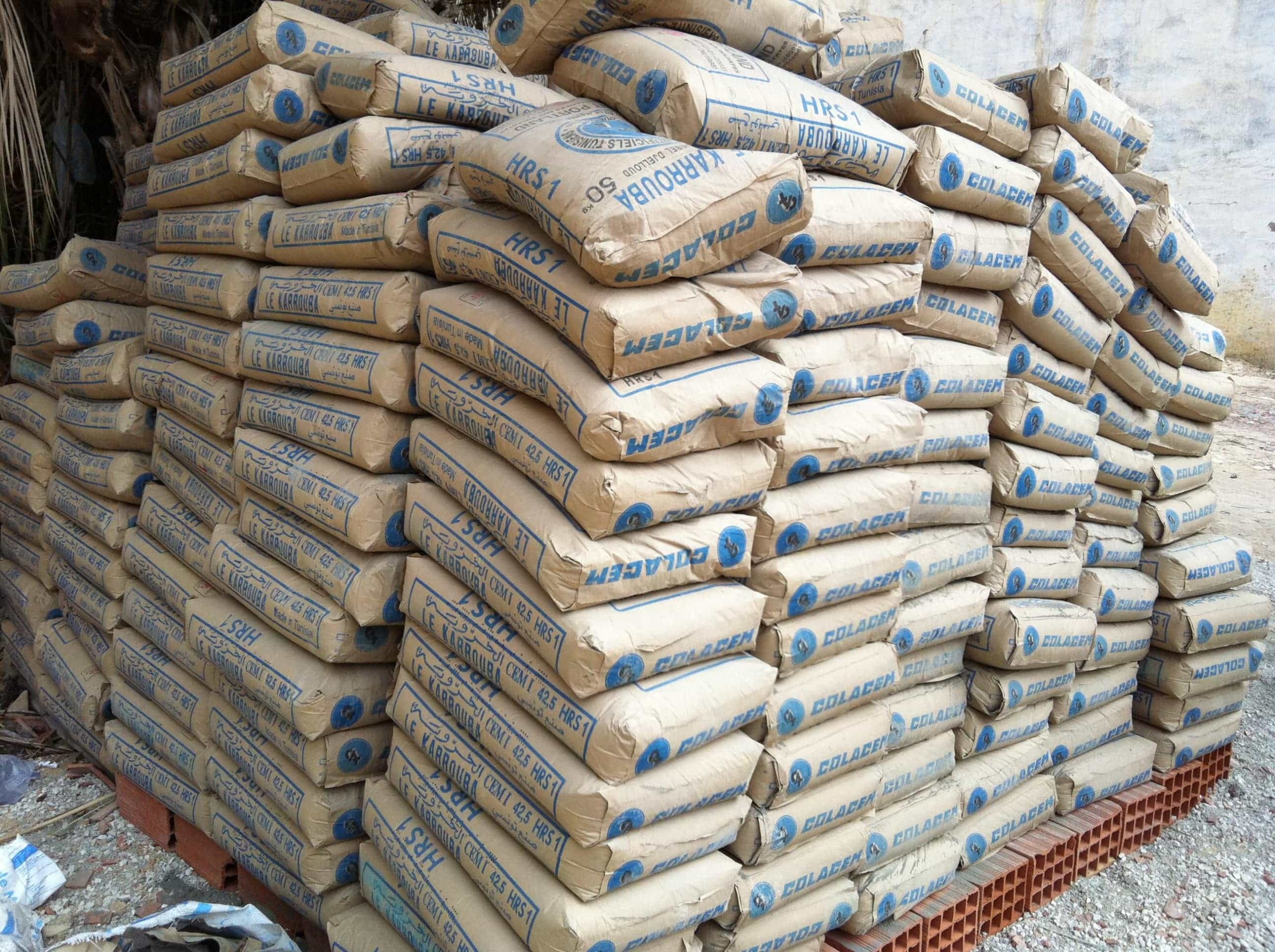
Cement dealers across Nigeria have announced fresh prices for the building material, with the cost of a 50kg bag remaining elevated in several parts of the country as the Federal Competition and Consumer Protection Commission (FCCPC) investigates the pricing practices of major cement manufacturers.
The latest development has heightened concerns among builders, developers and prospective homeowners, who are already struggling with rising construction costs.
Reports from different markets indicate that the price of a 50kg bag of cement has risen to between N13,000 and N16,000 in some locations, although actual prices vary depending on the dealer, location and prevailing supply conditions.
The fresh price movement comes barely weeks after the FCCPC commenced a formal investigation into the cement industry following concerns over sharp increases in the price of the commodity.
According to the commission, its Anticompetitive Practices Department conducted a three-month industry-wide and cross-border assessment before commencing the investigation.
The FCCPC said preliminary findings raised concerns about possible price manipulation and other anti-competitive practices in the Nigerian cement market.
The regulator is examining the pricing practices of major manufacturers, including Dangote Cement, BUA Cement and HBM Nigeria, formerly known as Lafarge Africa.
The companies have been required to provide information relating to their pricing methodologies, production levels, capacity utilisation, export activities and commercial relationships.
The investigation is also examining whether the current price of cement can be justified by legitimate production and distribution costs or whether other factors, including coordinated conduct, abuse of market power, restrictions on domestic supply or anti-competitive distribution practices, may be responsible.
The FCCPC noted that market intelligence showed the price of a 50kg bag of cement rising from about N9,300–N9,700 in January 2026 to between N10,500 and N13,000 by mid-year, with prices reaching N13,000–N15,000 in some parts of the country by July.
The development has raised questions about the disparity between Nigeria’s cement production capacity and domestic consumption.
The FCCPC’s investigation indicates that Nigeria has installed cement production capacity of more than 60 million metric tonnes annually, while estimated domestic consumption is between 25 million and 30 million tonnes.
Industry operators, however, have attributed some of the price pressures to factors such as energy costs, naira depreciation, imported machinery and spare parts, transportation and logistics expenses, as well as strong demand from major infrastructure projects.
FCCPC Executive Vice Chairman and Chief Executive Officer, Tunji Bello, said the commission’s objective was to establish the facts behind the persistent increase in cement prices rather than make assumptions.
He stressed that cement was strategically important to the Nigerian economy because its price directly affects housing, commercial property development, public infrastructure and the general cost of doing business.
The commission has maintained that the investigation is not intended to interfere with legitimate commercial decisions by manufacturers but to determine whether competition in the sector is functioning properly.
Meanwhile, construction industry stakeholders have called for greater transparency in the cement supply chain and urged the FCCPC to conclude its investigation and make its findings public.
For developers and Nigerians planning to build homes, the latest price increases have added further pressure to already rising construction costs.
Stakeholders fear that if the price instability continues, it could further increase the cost of housing and worsen Nigeria’s housing affordability crisis.
With the FCCPC investigation still ongoing, attention is now focused on whether the regulator will establish that the current prices are driven by genuine production and distribution costs or whether anti-competitive practices have contributed to the surge




Popular Prophet Names 8 States APC May Loose Governorship Seat After Osun

Nigerian Emir Dies in Egypt After 46 Years on Throne (PHOTO)

CEMENT PRICE SHOCK: Dealers Announce Fresh Prices as FG Probes
Popular Nigerian Emir Dies; Govt Reacts (PHOTO)

No More ₦1,350/$: Naira Breaks Two Years Record as Dollar Falls

Dollar to Naira Exchange Rate Today, September 2, 2026

APC Announces Fresh Primaries Across 5 States (FULL LIST)

Nigerian Star Dumps Galatasaray After Two Years

Nigerian Governor Tells Residents to Relocate over Fresh Flood Alert

Dollar to Naira Exchange Rate Today, September 1, 2026