
Spotlights
New Zealand to Raise Minimum Wage to N32,000 Per Hour From April 2026

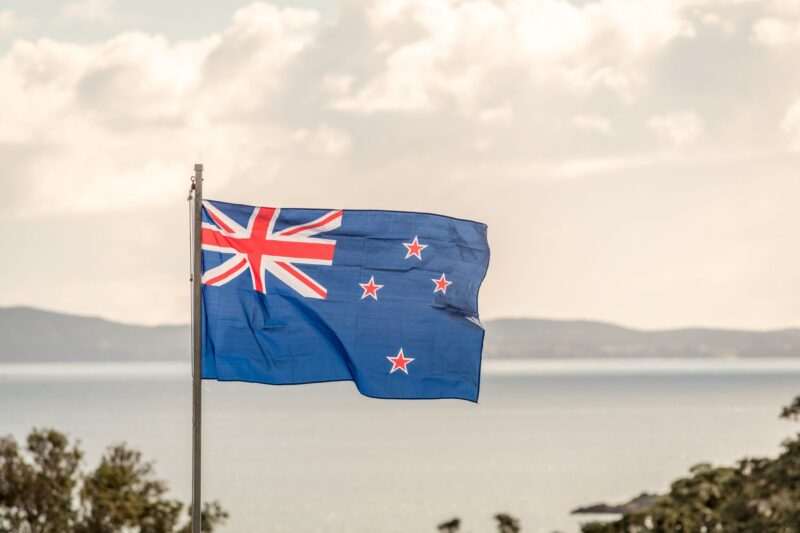
New Zealand is set to increase its adult minimum wage starting April 1, 2026, as part of the government’s annual review of minimum wage standards.
The Ministry of Business, Innovation and Employment announced this change, aimed at providing support for low-income workers while also considering the financial burdens on businesses.
Workplace Relations and Safety Minister Brooke van Velden emphasized that the new minimum wage rate strikes a balance between ensuring fair wages for workers and maintaining business sustainability. The upcoming increase is expected to benefit approximately 122,500 employees across the country. Minister van Velden stated, “This new rate will help workers keep up with the cost of living without placing excessive pressure on business expenses.”
Beginning in April 2026, the adult minimum wage will rise to $23.95 per hour, representing a 45-cent increase from the current rate of $23.50. Additionally, the training and starting-out minimum wages will increase to $19.16 per hour, which will continue to be set at 80% of the adult minimum wage, up from the previous rate of $18.80. The changes will predominantly impact workers earning below these new rates, especially those in entry-level and training positions.
For employees on the adult minimum wage, the increase amounts to about $18 more per week for a standard 40-hour work schedule, or roughly $936 more per year before tax.
The wage increase comes as New Zealand continues to position itself as an attractive destination for workers, students, and professionals seeking opportunities abroad. Higher minimum wages are expected to improve income stability for both domestic and foreign workers, reinforcing the country’s appeal for migration.
The minimum wage applies to all legally employed workers aged 16 and above across all sectors and regions, and is reviewed annually as part of the government’s wider labour market and economic assessments.
The reforms align with broader labour, education, and immigration policies introduced by the government. In recent years, New Zealand has moved to expand its international education sector, ease student work-hour limits, introduce new visa categories for digital nomads and investors, and overhaul its occupation classification system to better match labour demand with skills needs. Together, these measures form part of a wider strategy aimed at strengthening the labour market while attracting international talent.




2027: Atiku May Step Down for Obi, Seek to Install VP in ADC — Sources

New Zealand to Raise Minimum Wage to N32,000 Per Hour From April 2026

INEC Finalises 2027 Election Timetable

SAVITA APP: A Game Changer Redefining Crypto currency Exchange in Africa And Beyond

Nigerian Governor Shuts Down schools till Feb 16

Ex-President’s Son Saif al-Islam Gaddafi Assassinated; How He Was Executed, Photo Trends

PDP Crisis Deepens as Makinde, Wike Wage Ruthless Political War

Dollar to Naira Exchange Rate Today, February 4, 2026

Arsenal Breaks Eight Years Record to Reach Cup Final

Diezani Spent £140,000 on Luxury Furniture in One Day – Prosecutors
