
Spotlights
Full List: 103 Loan Apps Set For Ban as Digital Lending Registration Deadline Expires

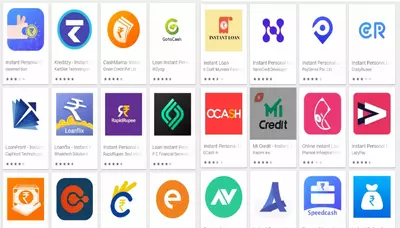
A total of 521 digital lender companies have now come under the regulatory purview of the Federal Competition and Consumer Protection Commission (FCCPC) as the consumer watchdog moves to sanitise Nigeria’s fast-growing digital credit market, according to Nairametrics.
This comes as the January 5 deadline for full compliance with the Digital, Electronic, Online and Non-Traditional Consumer Lending Regulations, 2025 lapses.
The FCCPC had directed all digital lenders—whether app-based, online, or operating through other non-traditional channels—to register with the Commission and comply with the new regulations on or before January 5, 2026.
With the deadline now passed, the regulator’s records indicate a significant increase in the number of companies submitting to oversight, reflecting both heightened enforcement and the rapid expansion of Nigeria’s digital lending ecosystem.
What FCCPC’s data is saying
FCCPC’s database shows that out of the 521 registered companies, 457 of them have been given full approval by the Commission, while 35 of them have secured conditional approval from the Commission.
There are 29 others licensed by the Central Bank of Nigeria (CBN) but still under the FCCPC’s regulatory framework.
Meanwhile, despite the large number of registered lenders, the Commission said 103 loan apps operated by unregistered companies have been placed under its watchlist for regulatory actions.
The Commission has repeatedly warned that any digital lender operating outside its approval framework risks sanctions, including delisting of loan apps from digital platforms, monetary penalties, and potential prosecution.
Regulatory capacity concern
Industry stakeholders say the rise to 521 registered digital lenders highlights the scale of Nigeria’s consumer credit market, but also raises questions about effective supervision as the sector grows.
A Lagos-based financial analyst, Mr. Adewale Adeoye, observed that while the FCCPC is doing its best to sanitise the digital lending space through regulations and guidelines, enforcement might become a challenge given the large number of players in the industry.
“Don’t forget that the FCCPC’s mandate covers consumer protection across all sectors of the economy, and the digital lending is just a minute part of it. Monitoring over 500 registered companies alone requires a lot of capacity, yet there are hundreds of others operating illegally that need to be dealt with,” he said.
Mr Adeoye added that beyond loan apps, the new guidelines also expand the regulatory purview of the FCCPC to lenders that are not using apps, which could make oversight more challenging.
Speaking with Nairametrics, the President of the Money Lenders Association (MLA), Mr. Gbemi Adelekan, also acknowledged that enforcement could be overwhelming for the FCCPC because of the number of players.
According to him, the new guidelines also extend FCCPC’s oversight to IT platforms supporting the digital lenders, which makes the Commission’s role more complicated.
He, however, noted that the Commission has been responsive to the industry issues.
“We have also raised the issue with them (FCCPC), but they said they are prepared. They are very responsive now, but when more issues start coming up, will they still be as responsive as they are now? Only time will tell,” he said.
Key provisions of the 2025 lending regulations
The Regulations establish a robust legal framework to register, monitor, and sanction all forms of digital and non-traditional lending in Nigeria.
Applicable to all unsecured consumer lending conducted through electronic, online, mobile, or other non-traditional means, the regulations set out clear requirements for registration, transparency, data privacy, ethical recovery, fair interest rates, and responsible lending.
It prohibits pre-authorised or automatic lending, compels clear and accessible loan terms, bans unethical marketing, and mandates local ownership of at least one service provider for airtime and data lending services.
It also requires joint registration of all lender partnerships and prohibits monopolistic or dominance-based agreements without prior Commission approval.
The new Regulations also prohibit apps from accessing contact lists, pictures, and transactions of their customers.
According to the FCCPC, the new regulation, which took effect on July 21, 2025, under the Federal Competition and Consumer Protection Act (FCCPA) 2018, seeks to promote fairness, transparency, and accountability across Nigeria’s digital lending ecosystem.
While giving all digital lenders until January 5, 2026, to comply, the Commission said enforcement would commence immediately after the deadline.
Sanity gradually returning
On the back of the new rules by the FCCPC, Adelekan said sanity is gradually returning to the digital lending space as complaints from customers have reduced.
He, however, noted that some Nigerians continue to take advantage of the pro-consumer regulations to borrow from different platforms without repaying.
“We have seen someone who has taken loans from 35 different platforms without repaying and still applying to other platforms. This is why we have been telling our members that they need to use the credit bureau and make sure that their returns are done regularly,” he said.
He added that the credit bureau is now improving its services to ensure that credit reports are made available in real time.
What you should know
The new FCCPC regulation builds on the Limited Interim Regulatory/Registration Framework and Guidelines for Digital Lending, 2022, which made it mandatory for all digital money lenders in the country to be registered.
Despite the registration drive aimed at sanitizing the digital lending space, cases of harassment and defamation of borrowers had remained rampant.
Sanctions for such acts under the old framework include delisting or removal of apps from the Google Play Store. Many digital lenders, however, continued to operate outside the Play Store as they shifted to Android Package Kit (APK).
Under the Digital, Electronic, Online, or Non-Traditional Consumer Lending Regulations, 2025, non-compliant digital lenders face sanctions, which may include fines of up to N100 million or 19% of turnover, as well as potential disqualification of directors for up to five years.




Former President Confirmed Dead

Troubled 2026 FIFA World Cup Looms

List of Countries That Have Boycotted FIFA World Cup

No More FIFA World Cup for Iran

Naira Records Fresh Loss Against Dollar

Miyetti Allah Reacts to US Terror Allegations, Issues Strong Warning

‘No More N774’ – Dangote Increases Petrol Price

BREAKING: Tension in Israel as Iran’s Ballistic Missile Hits Netanyahu’s Office

2027: Names of Governors Plotting to Hijack 11th National Assembly EXPOSED!

US Military Fighter Jet Crashes as War Widens
