
Politics
2027 Election: Why It Would Be Difficult For Tinubu – Fresh Analysis Predicts Possible Results

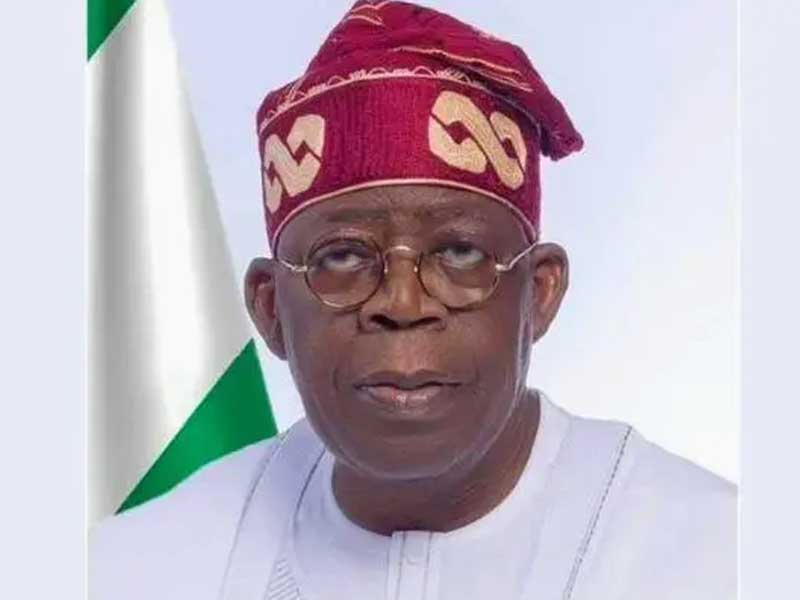
The race for the 2027 elections in Nigeria has clearly begun this year, with key political stakeholders aligning themselves and defecting to parties they believe will enhance their chances of success.
Atiku Abubakar remains a prominent contender in the presidential race, but he is not alone. Other candidates, including Peter Obi, Rotimi Amaechi, Rabiu Kwankwaso, and even former President Goodluck Jonathan, are emerging with a common goal to unseat Tinubu in 2027.

Given the current economic climate and the rising cost of living, it is undeniable that a significant portion of Nigerians would prefer to vote for an alternative candidate rather than pledge their support for Tinubu again.
While some of Tinubu’s tough decisions are producing results, this understanding is largely confined to those with a deeper grasp of economics—a far cry from the average citizen who is simply trying to make ends meet.
Political opponents are capitalizing on the existing hardships to secure votes for the 2027 elections, and many affected households are desperately seeking relief from their struggles.
However, if the landscape changes substantially—perhaps by 50%—due to ongoing transformations across various sectors, no amount of campaigning or propaganda could thwart Tinubu’s chances for reelection in 2027.
Candidates like Peter Obi and Goodluck Jonathan are unlikely to command even 30% of the votes in the South-South region; both are headed for a stalemate.
Meanwhile, Tinubu’s initiatives and the support of governors and senators keen on retaining their political offices will guarantee a decisive victory for the president. With Akpabio at the helm of the National Assembly and his influence in the Southern zone, Tinubu can expect over 70% of the votes.
In the North, while Tinubu may face challenges in Kano due to Rabiu Kwankwaso’s influence, he will ultimately split the votes between Atiku and Kwankwaso, thereby undermining Atiku’s chances. With the backing of numerous northern governors, Tinubu is poised to secure around 30% of the votes in that region, leaving Atiku, Kwankwaso, Jonathan, and Obi to divide the remainder.
Turning to the East, although Tinubu received 25% of the votes last election, Peter Obi’s sway has diminished significantly due to the crises plaguing the Labour Party. Many Igbo citizens are disillusioned with Obi’s political instability, leading to a fragmentation of his support base.
Tinubu’s connections with the governors of Anambra, Abia, Imo, and Enugu will guarantee a substantial victory for the APC, as several of these governors have already pledged their support for the president in the upcoming election. Atiku stands no chance in the Southeast, and Jonathan lacks the political clout to garner votes.
In the Southwest, Tinubu’s victory is assured across all states, including Osun, where Rauf Aregbesola, once a political ally, now poses no real threat to the APC’s dominance. The only state where Tinubu might face a substantial loss is Kwara, due to internal conflicts among some APC members, which could potentially give the PDP an advantage.
For political reasons, it will be difficult for Tinubu to lose the 2027 election to opponents like Atiku, Jonathan, Kwankwaso and Peter Obi except the four of them come as one even that it still be the difficult for other reasons.




Top Female Minister to Resign from Tinubu’s Cabinet

Dollar to Naira Exchange Rate Today, March 25, 2026

Buhari’s Minister, Family Evicted from Residence

Rabiu Kwankwaso Dumps NNPP; Announces New Party Wednesday

Six Top Ministers to Quit Tinubu’s Cabinet This Week (FULL LIST)

APC Chieftain Resigns, Reveals Top Party Secrets

Tinubu’s Minister Blocked from Governorship Race

Tension as 122-Day Power Outage Plan Emerges – Affected Area Listed

Fresh Alert as Nigerians Set to Work from Home; Dangote Raises Alarm

APC Clears Yilwatda as NWC Screening Begins Ahead of Convention
