
Business
Dollar to Naira Exchange Rate Today, February 26, 2026

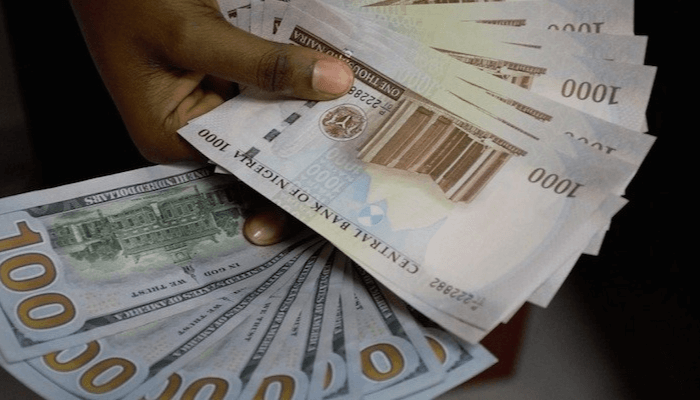
On Thursday, February 26, 2026, the Nigerian Naira demonstrated resilience against the US Dollar, responding to the Central Bank of Nigeria’s (CBN) recent announcement to implement a “stabilization phase.” This decision followed a meeting of the Monetary Policy Committee (MPC) earlier in the week.
The Naira has been trading within a consolidated range, buoyed by a significant rise in foreign reserves, reaching a 13-year high. In the official currency exchange market, the Naira began at a rate of 1,351.12 per dollar.
Mid-morning trading saw a slight improvement, with the rate dipping to 1,347.99 before eventually stabilizing around 1,350.13. This performance reflects a steady trend following the market’s reaction to a 50-basis-point reduction in the Monetary Policy Rate (MPR) announced the previous day.
Market liquidity remains robust, with the CBN continuing its proactive stance in mopping up excess bank liquidity while ensuring a steady supply of dollars for essential imports. The official mean rate for the week has settled near 1,349, signaling a high level of transparency and reduced volatility in the Nigerian Autonomous Foreign Exchange Fixing (NAFEX).
The parallel market has mirrored the stability seen in the official window, with the dollar exchanging at rates between 1,355 and 1,365 per dollar. The spread between the two markets remains notably narrow, holding at less than 1.5%.
Informal traders in major hubs like Lagos and Abuja report that demand is currently being met by available supply, largely due to the central bank’s policy of allowing Bureau De Change (BDC) operators regular access to foreign exchange. This convergence has significantly reduced the speculative pressures that typically drive the black market rate away from official benchmarks.
Several major macroeconomic indicators are influencing the Naira’s trajectory this Thursday:
Interest Rate Shift: The reduction of the MPR to 26.50% signals the apex bank’s confidence in the current disinflationary trend. While a rate cut often weakens a currency, the move has been viewed by investors as a transition toward sustainable growth.
Foreign Reserve Strength: Nigeria’s external reserves have climbed to $50.45 billion, the highest level in 13 years. This provides nearly 10 months of import cover, offering a formidable defense against external shocks.
Sustained Disinflation: Headline inflation eased to 15.10% in January, marking ten consecutive months of decline. This cooling of price growth has bolstered the real value of the Naira, making it more attractive for domestic and foreign holders.
Economic Expansion: With a projected GDP growth rate of 4.68% for 2026, positive sentiment is filtering into the currency markets, encouraging long-term capital inflows.
Financial analysts expect the Naira to maintain its current range between 1,345 and 1,355 for the remainder of the week, as the market looks forward to further signals from the fiscal authorities regarding structural reforms in the energy and agricultural sectors.



![FG Finally Names 48 Individuals Financing Terrorism [FULL LIST]](https://thepapers.ng/wp-content/uploads/2025/02/Tinubu-sign-1140x570-1-80x80.jpg)
BREAKING: Tinubu Endorses Next Lagos Governor as Loyalist Revealed New Name

Seven States Face Weeks of Scheduled Blackouts

Orokpo Blasts Vote-Buying, Urges Action in 2027

Lassa Fever Outbreak Sparks Health Alert in Lagos
FG Finally Names 48 Individuals Financing Terrorism [FULL LIST]

Zubby Michael Makes Surprise Political Move

Opposition Parties Work on Coalition Plans for 2027

Don’t Insult Nigerians, Resign” ADC Says to Chairman

Casemiro Receives Contract Offer From Top Club

Another APC Guber Aspirant Resigns From Party
