
Business
Dollar to Naira Exchange Rate Today, February 20, 2026

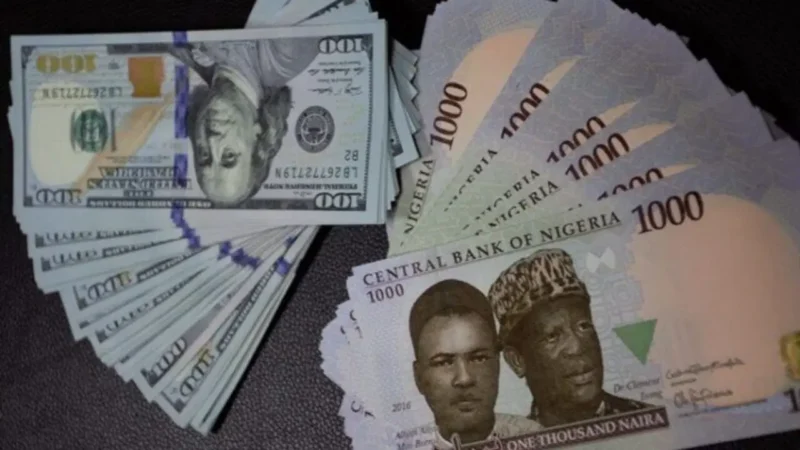
On Friday, February 20, 2026, the Nigerian Naira exhibited a stable yet cautious performance against the US Dollar during the early trading hours.
Data sourced from the Nigerian Foreign Exchange Market (NFEM) and various informal channels reveal that the local currency is experiencing a phase of moderate volatility. This follows the Central Bank of Nigeria’s (CBN) ongoing efforts to align exchange rates across different market segments.
At the official window, the Naira opened at a rate of 1,344.74 per dollar. Throughout the morning, market activity showed slight fluctuations, with the Naira reaching a high of 1,345.58 before stabilizing around 1,345.40 by midday.
This steady performance comes in contrast to the closing rate of 1,346.00 recorded at the end of the previous trading day, February 19.
The narrowing spread in the official market can largely be attributed to improved liquidity inflows from international counterparts, along with a recent policy change that permits Bureau De Change (BDC) operators access to up to $150,000 weekly through authorized dealer banks. This adjustment has played a significant role in alleviating the retail demand pressures that typically contribute to rising official rates.
In the parallel or informal market, the exchange rate continues to trade at a premium, though the gap remains significantly narrower than in previous years. As of this morning, the dollar is being exchanged at rates ranging between 1,360 and 1,365 per dollar, depending on the volume and location of the transaction.
Market analysts note that while the “black market” still commands a higher price due to immediate accessibility, the consistent supply in the NFEM has prevented the drastic spikes often seen during periods of scarcity. The current gap between the official and parallel market rates stands at approximately 15 to 20 Naira, a margin that monetary authorities are closely monitoring to ensure price discovery remains transparent.
Several macroeconomic factors are providing a buffer for the Naira this week:
Crude Oil Production: Recent reports indicating an increase in Nigeria’s crude oil production to 1.46 million barrels per day have bolstered foreign reserves, providing the CBN with more firepower to intervene when necessary.
Monetary Policy: The Standing Deposit Facility and stable Open Repo Rates have helped manage naira liquidity, preventing an excess of local currency from chasing limited foreign exchange.
Institutional Inflows: Increased participation from institutional investors in the Nigerian equity market has also created a steady stream of foreign capital entering the economy.
As the trading day progresses, stakeholders expect the rate to remain within the 1,340 to 1,350 range in the official window, barring any significant global economic shifts or sudden changes in domestic policy.




Seven States Face Weeks of Scheduled Blackouts

Orokpo Blasts Vote-Buying, Urges Action in 2027

Lassa Fever Outbreak Sparks Health Alert in Lagos
![FG Finally Names 48 Individuals Financing Terrorism [FULL LIST]](https://thepapers.ng/wp-content/uploads/2025/02/Tinubu-sign-1140x570-1-80x80.jpg)
FG Finally Names 48 Individuals Financing Terrorism [FULL LIST]

Zubby Michael Makes Surprise Political Move

Opposition Parties Work on Coalition Plans for 2027

Don’t Insult Nigerians, Resign” ADC Says to Chairman

Casemiro Receives Contract Offer From Top Club

2027: Another Top APC Guber Aspirant Resigns From Party

DSS Arrests Senator Over ‘False Intel’ Sent to Foreign Embassies
