
Spotlights
NAFDAC Cracks Down: Sachet Alcohol Ban Sparks Outrage, Economic Fears

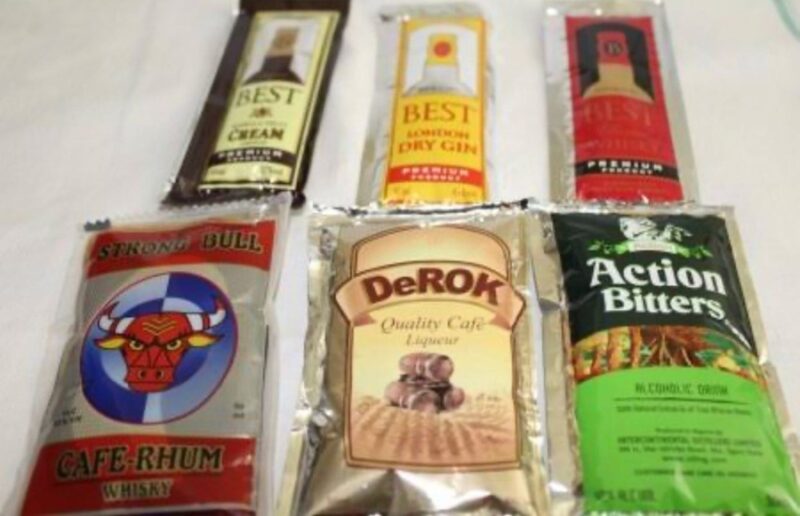
The National Agency for Food and Drug Administration and Control (NAFDAC) has officially begun enforcing a ban on the production and sale of alcohol in sachets and PET bottles with a capacity of less than 200ml.
This action follows a directive from the Senate, which is aimed at safeguarding public health.
During a media briefing in Lagos, Prof. Mojisola Adeyeye, the Director-General of NAFDAC, announced the agency’s commitment to this enforcement following a clear mandate from the Senate.
This move marks a significant step in regulating alcohol distribution and ensuring the well-being of the public.
NAFDAC had earlier, on November 11, 2025, announced plans to enforce a total ban on the affected products by December 2025, following a directive from the Senate.
However, implementation was temporarily halted after the Federal Government directed an immediate suspension of all actions related to the ban, pending consultations and a final decision.
According to Adeyeye, those consultations have now been concluded, allowing the agency to proceed.
“We already started the enforcement to ban alcohol production in sachet and bottles below 200ml, after we received order from the senate to proceed,” she said.
The NAFDAC boss said the decision was taken to safeguard public health, particularly to protect children, adolescents and young adults from the harmful effects of alcohol abuse.
She noted that the widespread availability of alcohol in sachets and small containers had made such products cheap, easily accessible and easily concealed, increasing the risk of abuse among vulnerable groups.
“NAFDAC is not against alcohol, but we are against its proliferation of high alcohol content in sachet and small bottles, to prevent children from having easy access to it,” Adeyeye stated.
Adeyeye revealed that before her appointment as Director-General, sachet alcohol products contained between 50 and 90 per cent alcohol, which she described as extremely high.
She said the agency had directed manufacturers to reduce the alcohol concentration to 30 per cent, a move that was met with resistance from industry players.
“We asked the manufacturers to reduce the content to 30 per cent, they went directly to the ministry to express their displeasure, citing loss of jobs and investment,” she said.
According to Adeyeye, the concerns raised by manufacturers led the Federal Government at the time to grant a five-year grace period to allow producers to adjust their operations.
“The then Minister of Health gave them a five-year period between December 2018 and January 31, 2024, to put their business in place,” she added.
She stressed that the grace period had since elapsed, justifying the renewed enforcement action.
Adeyeye reaffirmed NAFDAC’s commitment to protecting the health and safety of Nigerians, especially vulnerable groups, through strict regulatory oversight.
She assured that the agency would continue to engage stakeholders while ensuring compliance with public health standards.




BREAKING: Is Netanyahu Dead? Tension as Truth Emerges

BREAKING: Popular Ex-Super Eagles Midfielder Dies; Causes of Death Revealed

Govt Announces Eid Al-Fitr Public Holiday Dates

10 States to Watch Out for ADC in 2027 Elections

Tragedy as Plane Crashes in Shocking Incident, Details Emerge

Dollar to Naira Exchange Rate Today, March 12, 2026

9 Top Senators Join ADC in Massive Defection (FULL LIST)
2027: 11 House of Rep Members Defect to ADC, Other

Tambuwal Dumps PDP, Defects to Another Party

Tinubu Makes Fresh CBN Appointment Amid Naira Crash
