
News
How Gen Z-led Protests Put Nepal’s 1st Female Prime Minister In Power

The Nepal Parliament building is an impressive blend of traditional and modern architecture, featuring a large structure made of steel and concrete topped with a two-tier pagoda. However, last week, its white walls were marred by soot and graffiti. One message reads, “You picked the wrong fight,” and is signed “Gen Z.” Click link to continue reading.
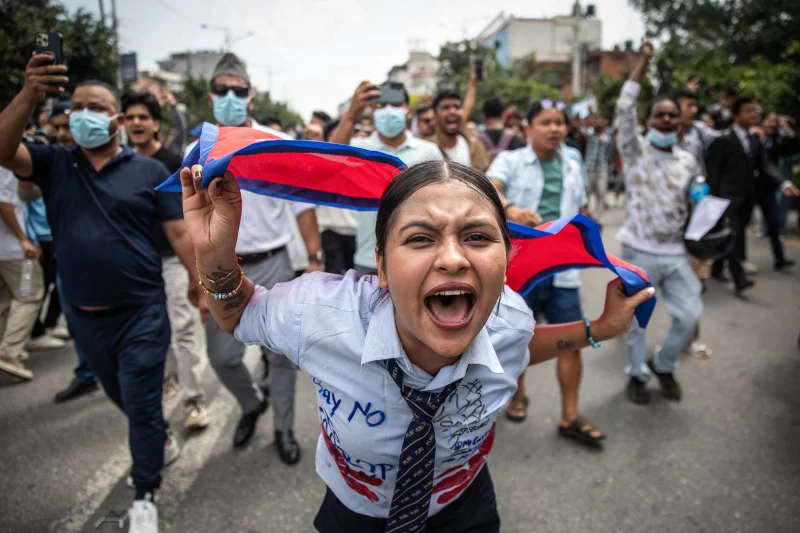
It’s the fallout of the most dramatic upheaval the Himalayan country has experienced in years — where in less than 48 hours, protesters forced the overthrow of the government.
Nepal’s government is only the latest in South Asia to be overthrown by protesters, and it underscores the profound generational change shaking the world’s most populous region and testing governments’ ability to meet their citizens’ expectations.
The turmoil in Nepal began in earnest on Sept. 8, when police in the capital Kathmandu opened fire on anti-corruption protesters as they tried to breach Parliament walls. Mobs retaliated by torching buildings, looting banks and shops, and attacking politicians in their homes. The violence killed more than 70 people and wounded thousands more, according to Nepal police spokesperson Ramesh Thapa.
Prime Minister Khadga Prasad Oli resigned on Sept. 9 and has not been seen publicly since. The army imposed a curfew.
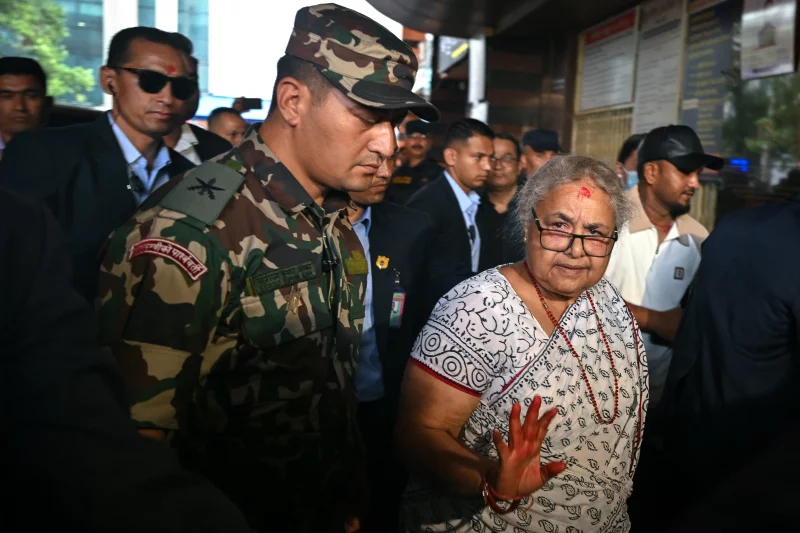
By Sept. 12, the country had a new interim leader: Sushila Karki. The 73-year-old was Nepal’s first female chief justice — and is now its first female prime minister. Her appointment by Nepal’s president followed online polls on the chat portal Discord, where thousands supported her citing her judicial record of taking on the corrupt and the elite.
“Our movement was motivated by two things,” says Abhiyan Sapkota, a 27-year-old civil engineer who participated in the protests, “unemployment and government corruption.”
For months, young Nepalis sought to highlight the stunning contrast between the country’s masses and its wealthy elites, pulling together montages of social media images and videos uploaded by the children of prominent politicians. One image showed a young woman posing with a Prada bag worth $2,600, in a country where the average yearly income in Nepal is less than $1,500 a year.
They zoomed in on Nepali elites vacationing in Europe, a contrast to the travels of most citizens — who work abroad in low-paying jobs as porters, soldiers and construction workers.
The campaign, using variations of hashtags like #NepoKids, came amid mounting frustration with politicians who are widely seen as using public money to enrich themselves. “Over the last 10 years, all three individuals who have traded the prime minister’s chair have had pretty serious corruption allegations against them,” says Ashish Pradhan, an expert on Nepal at the International Crisis Group, a think tank.
Investigators never pursued the cases seriously, he says. “Instead, the anti-corruption watchdog was used to go after political opponents rather than to tackle systemic misuse of funds.”
But on Sept. 4, the government abruptly suspended most social media. It was widely seen by anti-corruption activists as an attempt to quell their campaign exposing the poolside luxury lives of Nepal’s elite. That led to thousands protesting in Kathmandu on Sept. 8.
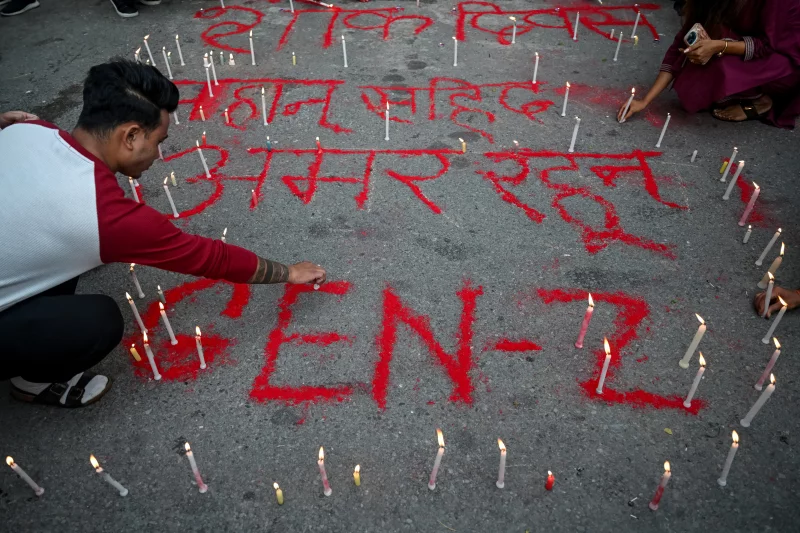
In the days after violence, army personnel fanned out across the country. On major roads of Kathmandu, they set up checkpoints every few hundred yards and checked IDs. When curfew was relaxed for a few hours every day, youths cleaned the streets, visited hospitals to check upon the injured and held candlelight vigils for protesters who’d lost their lives. Outside a burnt-down police station in Kathmandu’s Darbar Marg, someone scrawled an apology: “Sorry dada,” Nepali for an elder brother.
npr.org




Fresh Trouble for El-Rufai over Multiple Houses Linked to Him in Egypt (FULL LIST)

Fresh Tension as North Korea Back Iran, Sends Warning Message To Israel, US

Iran Names Khamenei’s Son as New Supreme Leader

Dollar to Naira Exchange Rate Today, March 9, 2026

Government Bans VIO Operations; Details Emerge

Shoprite Completes Shut-Down in Nigeria
How Ex-Deputy Governor’s Father Was Killed by Kidnappers

Fuel Price Hike Not Tinubu’s Making, Says Policy Analyst

Young Women’s Renewed Hope Coalition (YWRHC) Marks International Women’s Day, Reaffirms Commitment to Rights, Justice

Presidential Source Mentions New State Tinubu May Approve
