
Politics
2027: ‘What we want’ – Igbo gives fresh conditions to support any presidential candidate

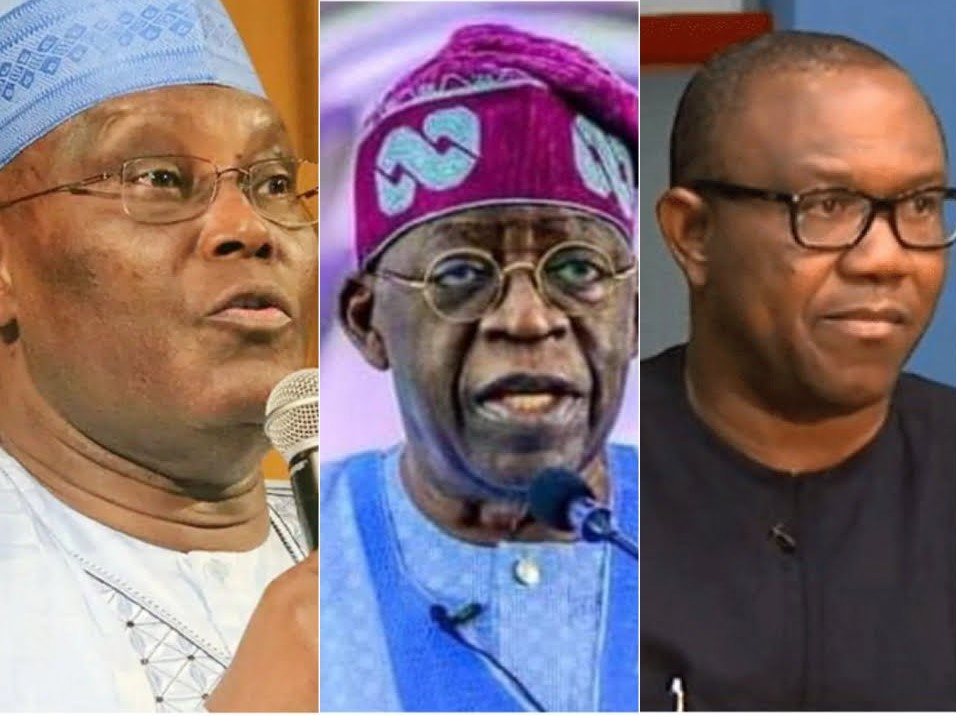
Ahead of the 2027 general polls, a former National Chairman of the All Progressives Grand Alliance (APGA), Chekwas Okorie, has said it was too early for the South East region to endorse any presidential candidate.
Okorie, who spoke on Wednesday, August 27, after the inauguration of the Igbo Agenda Dialogue (IAD) in Abuja, stressed that any presidential candidate desirous of the endorsement of the South East must sign an agreement to ensure that the region enjoys democratic dividends.
He said, “The issue of where we stand ahead of the 2027 is premature. The political parties have not even produced their candidates. And when they do, you will find out in the communique, we will subject those we want to a memorandum of understanding as to what they will do for the Igbo nation.
“What is more important to us is to wake up the sleeping giant in us. Even if our son is the presidential candidate, he will sign the MoU.”
While reading the communique, which was jointly signed by the Executive Secretary, Jonathan Elendu, he said the meeting reaffirmed that the Igbo Agenda Dialogue (IAD) is not a rival or parallel body to Ohanaeze Ndigbo Worldwide, which remains the apex socio-cultural organisation of the Igbo nation, but a complementary platform dedicated to formulating a clear and binding political agenda for Ndigbo in Nigeria.
“The meeting resolved to work towards convening a comprehensive Igbo Political Summit to be hosted in Enugu on a date to be agreed upon.
“The summit will be inclusive, cutting across political parties, market and professional associations, town unions, women and youth organisations, Igbo in the diaspora, and all critical stakeholders across the South East and Igbo-speaking communities in Delta, Edo, Rivers, Bayelsa, Cross River, Akwa Ibom, Benue, Kogi States, and beyond.
“The meeting resolved that the proposed Summit shall adopt an Igbo Charter — a comprehensive political agenda that will define Igbo interests, rights, and responsibilities in Nigeria.
“A select committee of respected Igbo leaders, technocrats, and intellectuals shall be constituted to draft the Charter, ensuring depth, quality, and durability.
“The gathering noted with concern the historical absence of a unified Igbo political front since the end of the Nigerian Civil War in 1970.
“It condemned the ridicule, marginalisation, and alienation of Ndigbo in Nigeria’s political space and resolved that such a trend must no longer continue.
“The Dialogue emphasised that Igbo votes must never again be taken for granted.
“The meeting observed the decline in voter turnout among Ndigbo in recent elections and resolved to reawaken political consciousness through mass mobilisation and education.
“It was agreed that the Permanent Voter’s Card (PVC) is the strongest instrument of political empowerment for Ndigbo, far more effective than violence or armed struggle.
“The meeting endorsed the proposal to formulate a practical strategy in a sustainable manner to ensure full Igbo participation in all electoral contests wherever they are domiciled in Nigeria.
“The meeting resolved to build a formidable Igbo National Grid, integrating all credible Igbo associations, unions, professional bodies, and diaspora groups into a coordinated structure for political mobilisation, economic empowerment, and cultural renaissance,” he added.




Fresh Trouble for El-Rufai over Multiple Houses Linked to Him in Egypt (FULL LIST)

Fresh Tension as North Korea Back Iran, Sends Warning Message To Israel, US

Iran Names Khamenei’s Son as New Supreme Leader

Dollar to Naira Exchange Rate Today, March 9, 2026

Government Bans VIO Operations; Details Emerge

Shoprite Completes Shut-Down in Nigeria
How Ex-Deputy Governor’s Father Was Killed by Kidnappers

Fuel Price Hike Not Tinubu’s Making, Says Policy Analyst

Young Women’s Renewed Hope Coalition (YWRHC) Marks International Women’s Day, Reaffirms Commitment to Rights, Justice

Presidential Source Mentions New State Tinubu May Approve
