
News
‘Most Yoruba kids are bastards’: Mixed reactions as 25% of Nigerian men not biological fathers of their children


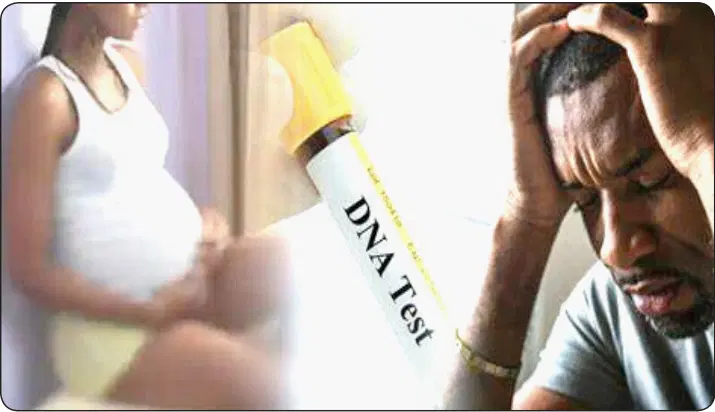
In the context of an ongoing paternity crisis and escalating trust issues within Nigerian families, a recent report published by Smart DNA Nigeria has revealed that one in every four paternity tests conducted in the country yields a negative result.
The 2025 Annual DNA Testing Report, released this week by the Lagos-based genetic testing firm, indicates that 25 percent of paternity tests performed between July 2024 and June 2025 revealed that the presumed fathers were not biologically related to the children in question.
Although this figure represents a slight decrease from 27 percent reported in 2024, it continues to underscore what the firm characterizes as a “concerning and consistent trend.” Click the link to continue reading.
Elizabeth Digia, the Operations Manager at Smart DNA, elaborated on the implications of these findings, stating, “These results extend beyond scientific inquiry; they shed light on critical issues pertaining to trust, relationships, and the legal and economic realities confronting Nigerian families today.” She emphasized the company’s commitment to providing accurate testing and to managing the sensitive nature of the life-altering information that clients receive.
The report further highlighted that firstborn children, particularly sons, exhibited a significantly higher likelihood of negative paternity test results, with firstborn males demonstrating an exclusion rate of 64 percent, markedly higher than that of their later-born siblings.
Additionally, the report indicated a notable increase in immigration-related DNA testing, which constituted 13.1 percent of all tests. This surge is attributed to Nigeria’s rising emigration trend, known colloquially as the “Japa” phenomenon, as families increasingly seek documentation for relocation abroad.
The findings revealed that 88.2 percent of paternity tests were initiated by men, while only 11.8 percent originated from women. Moreover, older men, particularly those aged 41 and above, represented nearly half (45.5 percent) of all tests, suggesting that financial stability significantly influences the decision to pursue paternity verification.
Children aged zero to five constituted the majority of those tested, accounting for 58.6 percent, an increase from 54 percent in the preceding year. Analysts propose that this trend reflects a growing inclination among parents to seek early clarity, thereby preventing potential complications in the future.
While Lagos State remains the predominant location for DNA testing, comprising 69 percent of all tests, the data indicate a shift in demand from mainland areas to the island. Notable testing hubs include Lekki (20.3 percent), Yaba (15.8 percent), as well as Ajah, Ikorodu, Surulere, and Ikeja (each at 10.5 percent and 9 percent, respectively).
The ethnic composition of clients continues to show a predominance of Yoruba families (53 percent), followed by Igbo families (31.3 percent), while participation from the Hausa community remains minimal at 1.2 percent, highlighting significant cultural variations in attitudes towards paternity testing.
A substantial majority—83.7 percent—of DNA tests were conducted for reasons of “peace of mind” rather than for legal obligations, with court-mandated tests comprising only 1.4 percent of the total. The gender distribution of tested children revealed cultural preferences, with 53.8 percent being male, potentially indicative of a societal emphasis on verifying male lineage for reasons related to inheritance and the preservation of family name.
Digia further remarked, “We are witnessing an increasing number of individuals coming forward with long-held doubts. Some cases involve emotional distress and potential financial exploitation. The establishment of a comprehensive policy framework is warranted.”
She cautioned that the figures presented reflect individuals who already possessed reasons to question paternity, and therefore should not be generalized to all Nigerian families.
On a Facaebook page knowns as Gabriel_Udeme, several reactions have emerged.
@Ude_Emmanuel: “Some of my neignbours children don’t look like their father. Everyone in the community always talk about this same issue.”
@KeshDukwu: “It’s only woman that knows the real father, may God save us from these ladies out their.”
@Olumide_Olubi: “It happen mostly in Igboland”
@KelvinSabor_09: “I’m always afraid of getting marry because of the kind of ladies out there.”
@TheRingMan: “Most of here are also victims, especially the Yorubas who always engage prostitutions business.”
@SmellSam02: “Most Yoruba kids are bastards. It happens within them, I dated and I am talking from experience.”




Tragedy as Top APC Chieftain Collapses, Dies in Abuja; Party Reacts

Electricity Company Announces 3-Day Blackout; Releases Affected Areas
IPCR Leads Advocacy Visit to Strengthen Conflict Early Warning, Early Response

Fresh Trouble for El-Rufai over Multiple Houses Linked to Him in Egypt (FULL LIST)

Fresh Tension as North Korea Back Iran, Sends Warning Message To Israel, US

Iran Names Khamenei’s Son as New Supreme Leader

Dollar to Naira Exchange Rate Today, March 9, 2026

Government Bans VIO Operations; Details Emerge

Shoprite Completes Shut-Down in Nigeria
How Ex-Deputy Governor’s Father Was Killed by Kidnappers
