
Spotlights
Reps launch probe of oil sector

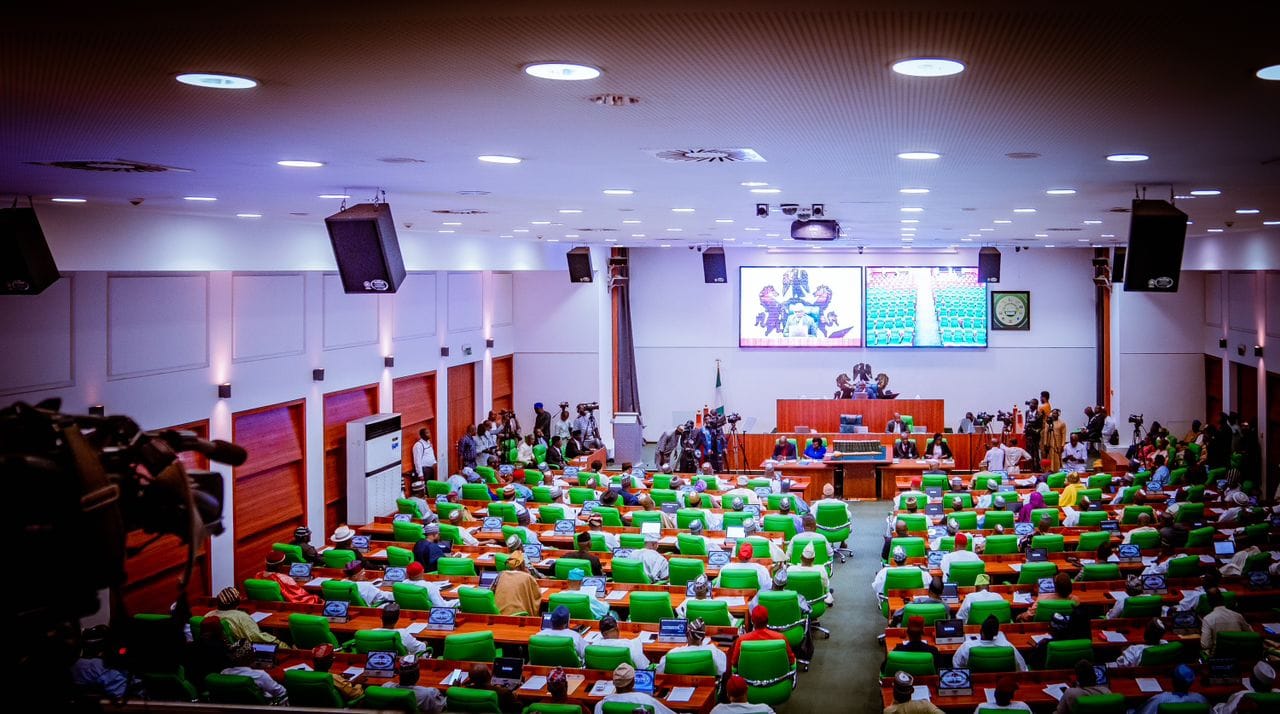
The House of Representatives yesterday directed a comprehensive probe of the nation’s oil sector with a view to ascertain the propriety of imports, costs, standards and compliance within the sector.
The House asked its relevant committees to conduct a forensic investigation into the allegation of importation of substandard products and high-sulphur diesel into Nigeria, sale of petroleum products below fair market value and its impact on downstream and local refineries.
Adopting a motion of urgent public importance sponsored by Hon. Billy Adesuwa Osawaru (APC, Edo) and Hon. Phillip Agree (APC, Benue), the House also resolved to investigate the resurgence of fuel queues in petrol stations, allegations of high cost of PMS and the unavailability of fuel stock for downstream domestic refineries.
The investigation also included alleged failure of the regulators of the nation’s oil sector, Nigeria Midstream, Downstream Petroleum Regulatory Authority (NMDPRA) and the Nigeria Upstream Petroleum Regulatory Commission (NUPRC) to enforce compliance with standards and the lack of support to local crude refiners and issuance of import license, despite local production among others.
The House is also to investigate disruption in the distribution of PMS products, unfair subsidization of PMS and other petroleum products racketeering and favouritism in the Pro Forma Invoice System (PFI) regime, indiscriminate issuance of licenses and importation of refined petroleum products.
Also to be investigated is the alleged return of PMS price intervention, allegation of product unavailability to marketers from NNPC Retail, endless shifting of timelines for refinery rehabilitation, the nefarious activities at petrol depots.
In addition, the House direct the relevant committees to carry out a legislative forensic investigation into the presence of middlemen in trading, indiscriminate issuance of licenses, unavailability of laboratories to check adulterated products, influx of adulterated products into the country, allegation of non- domestication of profits realised from crude marketing sales in local banks and abuse of the PFI regime.
The committee is also to investigate the importation of products already being produced in Nigeria, use of international trading companies to resell fuel stock to local refineries, the allegation of return of subsidy on downstream PMS products, unclarity about the exact landing cost of PMS, reduction in retail price and its impact on downstream operations.
Presenting the motion, Hon. Osawaru said that in recent times, there has been a resurgence of fuel queues in petrol stations, with allegations of high cost of PMS and non-availability of fuel stock for downstream domestic refineries in Nigeria and disruption of distribution of PMS products.
He said there is an also allegation of unfair subsidization of PMS and other petroleum products which negatively affects competitiveness in the sector as well as allegations of racketeering and favouritism in the Pro Forma Invoice System (PFI) regime, indiscriminate issuance of licenses and importation of refined petroleum products.
He alleged the return of PMS price intervention with its impact on domestic market and allegation of product unavailability to marketers from NNPC Retail.
He decried endless shifting of timelines for refinery rehabilitation, the nefarious activities at petrol depot which have affected product distribution and caused scarcity and the use of middlemen in trading and has negatively affected domestic crude supply.
He condemned the indiscriminate issuance of licenses, the unavailability of laboratories to check adulterated products and the influx of adulterated products into the country, allegation of non domestication of profits realized from crude marketing sales in local banks, importation of products already being produced in Nigeria like jet fuel, AGO, etc and use of international trading companies to resell fuel stock to local refineries, and all issues surrounding subsidy regime.
He expressed concern about allegations of the return of subsidy on downstream PMS products, unclarity about the exact landing cost of PMS, reduction in retail price and its impact on downstream operations, allegation of importation of substandard products and high-sulphur diesel into Nigeria, sale of petroleum products below fair market value and its impact on downstream and local refineries and as the source of funds for such interventions.
He also expressed concern about the failure of the regulators such as NMDPRA, NUPRC, etc to enforce compliance with standards that will help achieve the growth of downstream sector and the lack of support to local crude refiners, issuance of import license, despite local production
Source: The Nation




BREAKING: Is Netanyahu Dead? Tension as Truth Emerges

BREAKING: Popular Ex-Super Eagles Midfielder Dies; Causes of Death Revealed

Govt Announces Eid Al-Fitr Public Holiday Dates

10 States to Watch Out for ADC in 2027 Elections

Tragedy as Plane Crashes in Shocking Incident, Details Emerge

Dollar to Naira Exchange Rate Today, March 12, 2026

9 Top Senators Join ADC in Massive Defection (FULL LIST)
2027: 11 House of Rep Members Defect to ADC, Other

Tambuwal Dumps PDP, Defects to Another Party

Tinubu Makes Fresh CBN Appointment Amid Naira Crash
