
Politics
Parliamentary democracy will debar ‘tyrant’ leaders, reduce cost of governance – Pat Utomi

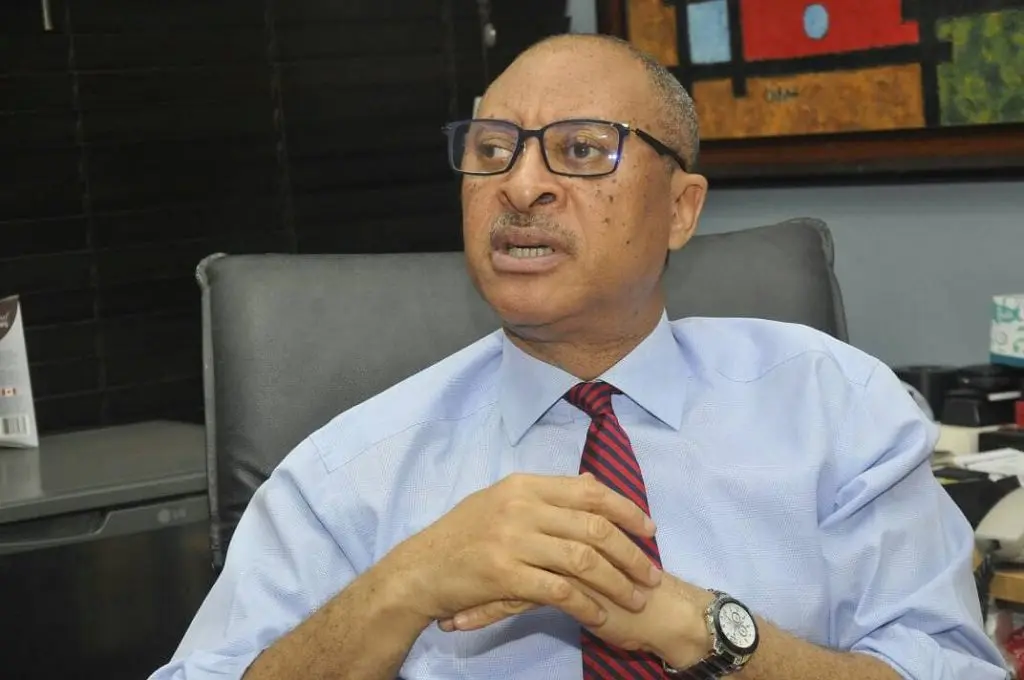
Political economist, Prof Pat Utomi says parliamentary democracy will debar tyrants from becoming leaders.
The economist added that the system will also reduce cost of governance and increase accountability of public office holders.
Utomi stated this in an interview on Channels Television’s Politics Today on Thursday.
He said, “A parliamentary form of government is clearly so much more cost-effective for a democracy than presidential type of system where you have to run around the entire country.”
According to him, in parliamentary democracy, tyrants won’t become leaders, and thriving democracies in the world practice parliamentary democracy.
He said people connect more with the parliamentary system of government than “detached ministers whom somebody brings from nowhere”.
Recall that calls for parlimentary democracy was brought forth by a group of 60 lawmakers in the House of Representatives, seeking amendments to the 1999 Constitution to transit from the current presidential system to the parliamentary system of government.
The lawmakers said the transition has become necessary to reduce the cost of government in the face of dwindling revenue.
Titled, ‘The Bills Proposing Constitutional Alterations For a Transition To Parliamentary System of Government,’ the bill was sponsored by the House Minority Leader, Kingsley Chinda, and 59 others.
The bill was read on the floor of the House during plenary in Abuja but has not progressed since the first reading six weeks ago.
Speaking on the system, Utomi said something has fundamentally gone wrong with the leadership philosophy in Nigeria with selfish leaders serving themselves through living opulent lifestyles rather than serving the people.
He noted that with parliamentary democracy, senseless spendings by leaders would be a thing of the past.
Utomi said, “First of all, accountability is missing in this current arrangement. It’s so bad. In a parliamentary system, accountability increases.
“The fact that the people are close to the government by the fact that their direct representatives get into parliament, those direct representatives, people among them, lead them and they are constantly referring to the people, the problems and the challenges on a daily basis.
“And if the government is not delivering, the government can fall today and we’ll have a new government tomorrow but here (in presidential system), what you have to do is make people poor and take advantage of poverty, distribute some things to them on election day, in the next four years, nobody asks you any question, you behave like a tyrant, you do anything you like.
“So, accountability is one reason why the parliamentary system is a preferred form of government,” he said.




Fresh Panic: Netanyahu is Dead! Viral Claims Rock Israel

Security Chief Names Two States Responsible for Terrorism in Northeast

Top Electricity Company Announces 4-Month Power Outage

Dollar to Naira Exchange rate today, March 19, 2026

Full List of Ministers to Resign from Tinubu’s Cabinet

Fresh Battle as Sultan of Sokoto Challenges Tinubu over Detaining El-Rufai

VIDEO: Tinubu Calls Wike ‘Abuja Landlord’ — Nigerians React to Trending Video

Dollar to Naira Exchange Rate Today, March 18, 2026

BREAKING: CAF Declares Morocco AFCON Winner; Details Emerge

Tinubu Orders Ministers to Resign; Set Deadline
