
Spotlights
FG Lists 103 Banned Loan Apps in Nigeria in 2026 – Full List

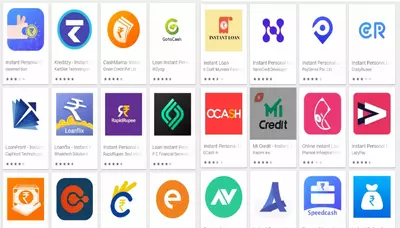
The Federal Competition and Consumer Protection Commission (FCCPC) has initiated enforcement actions against digital money lenders that failed to meet the compliance deadline set by the 2025 Digital Lending Rules. This announcement was made through a statement on the FCCPC’s official X page.
The deadline for affected operators to regularize their practices was January 5, 2026.
Tunji Bello, the FCCPC Executive Vice Chairman and CEO, emphasized that these enforcement actions are designed to foster discipline, transparency, and enhance consumer confidence within the digital lending sector.

“The compliance window provided under the Regulations has now closed. At this stage, the Commission is proceeding with appropriate enforcement steps in a manner that is fair, orderly, and consistent with due process.
The objective is to promote discipline, transparency, and consumer confidence within the digital lending space, not to disrupt legitimate business activity,” Bello said.
The Commission has also withdrawn the conditionally approved status previously granted to DML operators that did not complete the regularisation process within the transitional period, removing them from the FCCPC’s published register of approved digital lenders.

Bello stressed that the register is an important consumer guide and advised caution when dealing with lenders not listed on it.
The regulator has also begun structured engagement with application hosting platforms and payment service providers as part of ongoing monitoring and enforcement activities.
Operators provisionally designated as eligible under transitional arrangements have been given a new deadline of April 2026 to complete their registration under the DEON Regulations.
“This window is provided to enable affected operators to take steps towards compliance. Operators that choose not to regularise their status within this period may be subject to further regulatory measures, as provided under the law,” Mr. Bello stated.
Bello also noted the importance of the FCCPC’s register as a guide for consumers, urging the public to exercise caution when dealing with lenders not listed on the current register.
In response to complaints about high interest rates, aggressive collections, and unethical practices by unregulated lenders, Nigeria strengthened the regulation of digital lending in 2025.
The FCCPC introduced the DEON Regulations on July 21, 2025, which required all digital lenders, including loan apps and online credit providers, to register with the FCCPC and meet clear standards on consumer protection, data privacy, ethical loan terms, and responsible lending.
Operators were originally given a 90‑day compliance window, with sanctions for non‑compliance that include fines of up to N100 million or 1% of turnover, and possible disqualification of directors; and other enforcement actions such as suspension or revocation of approval.
According to the FCCPC’s data, registered digital lenders grew to 521 by early January 2026, with the majority receiving full approval, while some remained conditionally approved as of that date. Meanwhile, more than 100 unregistered loan apps stayed on the Commission’s watchlist for potential enforcement action.
The Nigeria Data Protection Commission (NDPC) disclosed it was investigating over 400 cases of privacy breaches by loan apps, including unauthorized access to contacts, photos, and messages.
Despite an April 2023 policy by Google restricting app access to user data, many lenders continue to operate in violation of privacy standards.
Consumer advocacy groups, have documented hundreds of complaints against unlicensed digital lenders using harassment, defamation, and cyberbullying to collect debts. Investigations identified at least 30 companies engaging in these unethical practices.
The FCCPC has responded by tightening regulatory oversight, now requiring digital lenders to obtain data protection clearance from the NDPC before operating. Previous interventions, including the Limited Interim Regulatory/Registration Framework for Digital Lending (2022), reduced harassment cases by about 80%, but challenges persist, prompting the introduction of the DEON Regulations in 2025 to formalize compliance and enforce consumer protection.




Govt Bans POS, Motorcycles, Others; Gives Reason

Iyabo Obasanjo Returns to PDP; Full Details Emerge

APC Reject Speaker’s Emergence as 2027 Guber Candidate

Kano NDC Governorship Candidate Picks Kwankwaso as Running Mate

Actor Baba Ijesha Welcomes Baby Boy

Atiku Talks Tough on Removing ADC from 2027 Ballot, Takes Next Action

Nigerian Gov Declares Fresh Public Holiday; Details Emerge
![ADC Primary: Atiku Leads In Eight States As Results Trickle In [See Breakdown Of Results]](https://thepapers.ng/wp-content/uploads/2026/04/ADC-Logo-80x80.webp)
Tension as Court Finally Orders INEC to Take Fresh Action on ADC

Fresh Trouble as PDP Wins 20 Local Govt Election in APC State

Senate Tensions Rise Over Allegations Involving Akpabio, NNPC
